
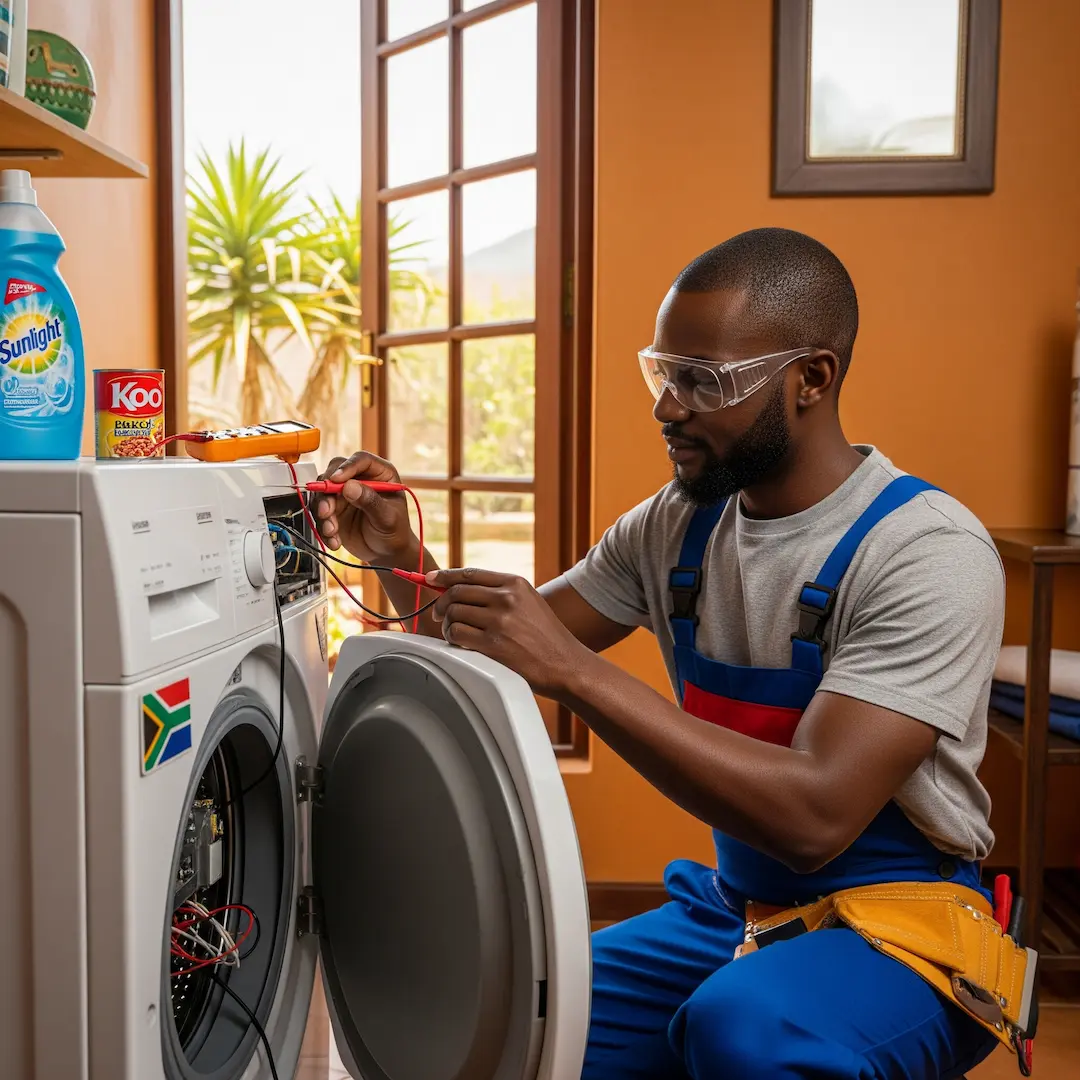
Your Washing Machine is Fixed! Tips for Longevity and Preventing Future Faults in SA
Washing machine repaired? Learn simple maintenance tips to extend lifespan, prevent future faults, and keep laundry running smoothly for South African households.

Your Washing Machine is Fixed! Tips for Longevity and Preventing Future Faults in SA
It's a relief when your washing machine is back up and running, isn't it? A functioning washing machine is truly one of those household heroes, making laundry day less of a chore and more of a routine. But the journey doesn't end once the repair is complete. Just like a car needs regular servicing to stay in top shape, your washing machine benefits immensely from a bit of ongoing care. By adopting some simple maintenance habits, you can significantly extend its lifespan, prevent frustrating future breakdowns, and ensure it continues to clean your clothes effectively for years to come.
Many of the issues we see as professionals often stem from preventable factors. For instance, a common call-out involves machines struggling with drainage, which, more often than not, is linked to lint build-up or foreign objects in the pump filter. Another frequent culprit is excessive vibration during the spin cycle, often due to an unbalanced load or, in some cases, worn-out shock absorbers – though the former is far easier to prevent!
Let's dive into some practical, South African-relevant tips that our experienced technicians often share with homeowners to keep their washing machines humming along smoothly.
Understanding Common Washing Machine Woes in South Africa
Before we get into the "how," it's helpful to understand the "why." Here are some of the most common issues that plague washing machines in South African homes and how simple maintenance can often prevent them:
- Overloading: This is perhaps the most frequent issue. Trying to cram too many items into one wash puts immense strain on the motor, drum bearings, and suspension system. We've seen machines where the drum almost grinds to a halt because of an overly ambitious load. Not only does this reduce cleaning efficiency, but it also accelerates wear and tear, leading to costly repairs down the line.
- Hard Water Buildup (Limescale): Many parts of South Africa, particularly areas like Gauteng and parts of the Western Cape, have hard water. This means the water contains a high concentration of minerals like calcium and magnesium. Over time, these minerals can deposit as limescale on heating elements, pumps, and internal pipes, reducing efficiency and potentially causing blockages or component failure. It's like rust forming in your pipes – it restricts flow and causes damage.
- Improper Detergent Use: Using too much detergent, or the wrong type of detergent (e.g., non-HE detergent in a high-efficiency machine), can lead to excessive suds. These suds can overflow, clog drainage systems, and leave residue on your clothes and inside the machine. Conversely, not using enough can leave clothes dirty and encourage mould growth in the drum.
- Vibrations and Unbalanced Loads: A washing machine that "walks" across the laundry room or shakes violently during a spin cycle isn't just annoying; it's a sign of a problem. Often, it's simply an unbalanced load, but persistent severe vibrations can indicate an issue with the machine's leveling, shock absorbers, or suspension springs, which can worsen over time if not addressed.
- Mould and Mildew: The warm, damp environment inside a washing machine, especially around the door seal (gasket) of front-loaders, is a breeding ground for mould and mildew. This leads to unpleasant odours on your clothes and in your machine.
Essential Maintenance Tips for Washing Machine Longevity
Now that we know the common culprits, let's look at the proactive steps you can take.
1. Mind Your Load Size
This cannot be stressed enough. Always adhere to your washing machine's recommended load capacity. A good rule of thumb is to leave enough space for your hand to fit comfortably between the top of the laundry and the drum. Overloading not only stresses mechanical components but also prevents clothes from tumbling freely, resulting in a less effective wash.
- Practical Tip: If you have exceptionally bulky items like duvets, consider taking them to a laundromat with industrial-sized machines, or wash them separately in smaller loads if your machine can handle it without strain.
2. Combat Hard Water with Descaling
If you're in a hard water area, regular descaling is crucial. Limescale can reduce the efficiency of your heating element, making your machine work harder and consume more electricity.
- Method 1 (Vinegar): Once a month, run an empty hot wash cycle with two cups of white vinegar poured directly into the detergent dispenser. The acetic acid in vinegar helps dissolve mineral deposits.
- Method 2 (Bicarbonate of Soda): For an extra boost, you can add half a cup of bicarb directly into the drum along with the vinegar in the dispenser.
- Method 3 (Commercial Descalers): Several commercial washing machine descalers are available at supermarkets. Follow the product instructions carefully.
- Expert Insight: One of our seasoned technicians once recalled a call-out where a customer's machine wasn't heating water properly. Upon inspection, the heating element was almost entirely encased in a thick layer of limescale, effectively preventing it from doing its job. Regular descaling could have easily prevented that breakdown.
3. Use Detergent Wisely
Read your detergent's instructions and your washing machine's manual carefully.
- Measure Correctly: Don't just eyeball it. Use the measuring cap or scoop provided with your detergent. More isn't always better – excessive suds can cause problems.
- Choose the Right Type: If you have a high-efficiency (HE) machine (most modern front-loaders are), ensure you're using HE-specific detergent, which is low-sudsing.
- Detergent Drawer Cleanliness: Periodically remove and clean your detergent dispenser drawer. Residue can build up, leading to blockages and mould.
4. Clean Your Machine Regularly
A clean machine cleans clothes better.
- Door Seal (Gasket): After every wash, wipe down the rubber seal around the door with a damp cloth. This prevents mould and mildew growth, which can cause unpleasant odours. Leave the door ajar after use to allow the drum to air out.
- Drum Clean Cycle: Many modern washing machines have a "drum clean" or "self-clean" cycle. Use this function monthly, often with a descaler or a cup of white vinegar.
- Filter Cleaning: Your washing machine has a filter, usually located at the bottom front, behind a small panel. This filter catches lint, coins, buttons, and other debris that can clog the pump. Consult your manual for instructions on how to access and clean it. Our technicians have pulled out everything from hairpins to an entire lost sock from these filters! Cleaning it every few months can prevent drainage issues.
- Exterior Wipe Down: A simple wipe-down of the exterior keeps your appliance looking good and prevents dust accumulation.
5. Proper Installation and Levelling
While your machine is likely fixed now, ensuring it's properly levelled is vital for preventing future issues. If your machine is rocking or vibrating excessively, check its stability.
- Adjust Feet: Most washing machines have adjustable feet. Use a spirit level to ensure the machine is perfectly level from side to side and front to back. An unbalanced machine puts undue stress on its internal components, especially during the spin cycle.
6. Don't Forget the Hoses
The water inlet hoses (connecting the machine to your water supply) and the drainage hose are critical.
- Check for Kinks/Cracks: Periodically inspect both hoses for kinks, cracks, or signs of wear. A small crack in an inlet hose can quickly lead to a major flood.
- Clean Inlet Filters: The inlet hoses often have small filters where they connect to the machine. These can become clogged with sediment, reducing water flow. Clean them annually.
When to Call in the Professionals
While these tips will go a long way in preventing common issues, some problems require expert attention. If you notice persistent leaks, unusual noises that aren't explained by an unbalanced load, error codes that don't clear after basic troubleshooting, or if your machine simply stops working again, it's time to call in a qualified appliance repair technician. Attempting complex repairs yourself, especially those involving electrical components or internal mechanisms, can be dangerous and may void your warranty.
Frequently Asked Questions
How often should I clean my washing machine's filter?
It's generally recommended to clean your washing machine's pump filter every 3-4 months, or more often if you wash particularly linty items or have pets. If you notice drainage issues or error codes related to drainage, check the filter immediately.
Can I use dishwashing liquid in my washing machine?
No, you should never use dishwashing liquid in a washing machine. Dishwashing liquid produces a lot of suds, which can cause oversudsing, overflowing, and damage to your washing machine's components. Always use detergents specifically designed for washing machines.
My washing machine smells musty. What can I do?
A musty smell usually indicates mould or mildew growth. Wipe down the door seal thoroughly, run a hot cycle with white vinegar or a dedicated washing machine cleaner, and always leave the door ajar after each wash to allow the drum to dry out completely.
How do I know if my washing machine is unbalanced?
If your washing machine "walks" or vibrates excessively during the spin cycle, it's likely unbalanced. You can check by gently pushing on the corners of the machine; if it rocks, it needs to be levelled by adjusting its feet.
Find a vetted electrician near you
Washing machine repair: find a pro near you
Suzette Meyer is the lead author and content creator for Kandua.com, South Africa’s #1 marketplace for home services. Suzette has made it her mission to help homeowners with advice on all aspects of home repair, maintenance and improvement, including how to choose the right Pro and how to make smart upgrades that improve your resale value or save costs.

Latest articles, advice and more
.webp)
.webp)
.jpeg)
Sinking Pavers, Weeds and Water That Pools: What Your Driveway Is Telling You
When your driveway starts sprouting weeds, pooling water, or sinking in patches, the bricks are not failing you. The layers underneath have moved, and they are trying to tell you exactly what went wrong.
.jpeg)
What Your Garage Door Motor Actually Does (And Why It Breaks)
Spoiler alert: your garage door motor isn't actually doing the heavy lifting. The torsion springs carry almost all the weight. The motor simply pushes, pulls, controls the descent so it doesn't slam, and acts as a lock when the door is shut. That’s why a relatively small box on your ceiling can move such a massive door. Want to test this? Pull the red manual release cord and lift the door by hand. If it glides up easily and stays put when you let go, your springs are doing their job, and the fault lies with the motor. If the door feels like dead weight or slams back down- stop. You’ve got a spring problem.
.jpeg)
4 Warning Signs Your Tiles Are Failing (And What They Mean)
Tiles rarely fail overnight. They warn you first. A hollow sound underfoot, grout that crumbles away, a tile that lifts at one edge, or a crack that runs across two tiles all point to something happening under the surface. Here is what each sign means, and how urgent it is.
.webp)
.webp)
Beyond the Unboxing: A Detailed Guide to Correct Washing Machine Plumbing & Setup
New washing machine in South Africa? Learn essential plumbing and setup tips to prevent leaks, ensure efficient operation, and extend your appliance’s lifespan - expert advice before your first load.
.webp)
New Washing Machine? Don't Plug It In Yet! Essential Installation Tips for SA Homes
Installing a new washing machine? Learn the essential setup steps South African homeowners often overlook to prevent leaks, noise, and damage—and ensure efficient, long-lasting performance from day one.
.webp)
.webp)
%25201200%2520x%25201200%2520(1).jpeg)
What Retiling a Bathroom Costs in 2026, Room by Room
Retiling a bathroom in South Africa costs between R230 and R800 per square metre in 2026, including materials and labour. A standard family bathroom, stripped and fully retiled, usually lands between R11,800 and R27,500. A guest toilet costs a fraction of that. A large porcelain en-suite costs a lot more.
How to Install a Horizontal Geyser | Step-by-Step Pro Guide
Want to install a geyser like a pro? This step-by-step tutorial shows you exactly how to do a horizontal Ariston Axios geyser installation, straight from the BluLever plumbing workshop. 🎥 Hosted by MK, BluLever’s technical facilitator, and supported by a qualified electrician, Life and a BluLever graduate artisan, Zinhle. This is your ultimate guide to a SANS 10254-compliant installation — from preparing the wall, to plumbing, electrical wiring, and pro troubleshooting tips.
How to Maintain a Geyser | Step-by-Step Pro Guide
Want to maintain a geyser like a pro? This step-by-step tutorial shows you exactly how to do the three core geyser maintenance checks on an Ariston Axios geyser installation, straight from the BluLever plumbing workshop. 🎥 Hosted by MK, BluLever’s technical facilitator, and supported by a qualified electrician, Life. This is your ultimate guide to geyser maintenance — from diagnosing the problem to checking the heat regulation of the geyser, to pressure regulation and then finally corrosion protection.
%201.avif)
Not just another newsletter. It's an advantage