
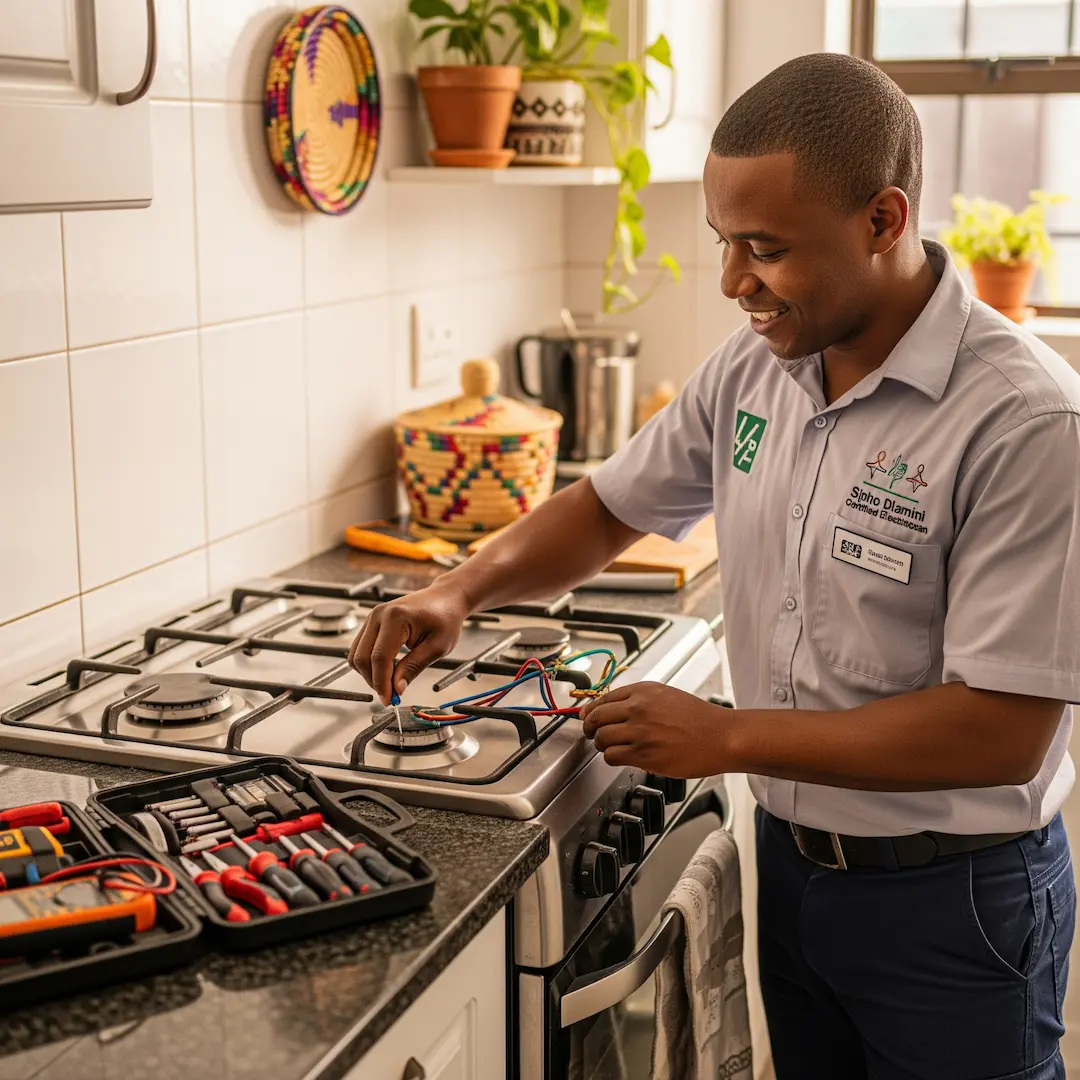
LPG Gas Appliance Malfunction? Common Signs You Need a Certified Repair in SA
Suspect an LPG appliance problem? Learn the early warning signs of gas appliance malfunctions in South African homes and why calling a certified technician is critical for safety.

LPG Gas Appliance Malfunction? Common Signs You Need a Certified Repair in SA
LPG (Liquefied Petroleum Gas) appliances are a fantastic alternative for South African homes, offering efficiency and reliability, especially during power outages. From gas stoves and ovens to geysers and heaters, they've become indispensable. However, like any appliance, they can develop issues. Recognising the early signs of a malfunction is crucial, not just for convenience, but more importantly, for your safety.
Our expert service providers, who handle countless gas appliance repairs across the country, constantly highlight the importance of vigilance. They’ve seen firsthand how a small, seemingly innocent issue can escalate if not addressed promptly and professionally. This guide will walk you through the common signs of an LPG gas appliance malfunction and stress the absolute necessity of calling in a certified technician in South Africa.
The Critical Importance of a SAQCC Gas Registered Technician
Before we delve into specific signs, it's vital to understand why only a registered gas technician should ever work on your LPG appliances. In South Africa, the South African Qualifications and Certifications Committee for Gas (SAQCC Gas) is the body mandated by the Department of Employment and Labour to register competent gas practitioners.
Working with gas carries inherent risks, and any incorrect installation, repair, or alteration can lead to serious hazards like gas leaks, fires, explosions, and carbon monoxide poisoning. A SAQCC Gas registered technician is trained and assessed against stringent safety standards, including SANS (South African National Standards) regulations, ensuring they have the expertise to work safely and effectively. They are also authorised to issue a Certificate of Conformity (CoC), which is crucial for safety and often required for insurance purposes. Never attempt DIY gas repairs or let an unregistered individual work on your gas system. It's simply not worth the risk.
Common Signs Your LPG Gas Appliance Needs Attention
If your gas stove isn't working as it should, or you're experiencing issues with any other LPG appliance, pay close attention to these warning signs:
1. Strange Smells
This is perhaps the most critical sign to watch out for. While LPG in its natural state is odourless, a chemical called mercaptan is added during production to give it a distinct "rotten egg" or "skunk-like" smell. This is a deliberate safety measure.
- Persistent Gas Odour: If you smell gas, even faintly, when your appliance is off, it could indicate a leak in the gas line, a faulty valve, or a problem with the appliance itself. Our technicians report responding to countless calls where a homeowner initially dismissed a subtle gas smell, only to find a more significant leak developing.
- Smell only when turning on the appliance: If you detect the smell only when you switch on a burner but no flame ignites, it could point to a faulty igniter or a burner that isn't lighting immediately, allowing unburnt gas to escape.
What to do: If you smell gas, immediately turn off the gas supply at the cylinder valve. Open windows and doors to ventilate the area. Do NOT switch on or off any electrical appliances, lights, or use your phone inside the affected area, as even a small spark can ignite escaped gas. Evacuate everyone from the premises and call a certified gas technician from a safe location.
2. Ignition Problems (Gas Stove Not Lighting / Oven Not Heating)
One of the most common complaints our network of experts receives for gas stoves is issues with ignition.
- Clicking but no flame: If you hear the clicking sound of the igniter but the burner doesn't light up, or takes multiple attempts, it could be due to clogged burner ports (often from food debris), a faulty igniter, or issues with gas supply. A technician recounted a job where a client's gas stove simply wouldn't light. Upon inspection, it was found that years of cooking had led to significant grease and food build-up, completely blocking the burner's gas ports. A thorough cleaning by the professional sorted it out, but if left unattended, it could have led to gas build-up.
- No clicking sound or spark: This often points to an issue with the electrical ignition system. It could be a simple fix like replacing batteries in battery-operated igniters, or a more complex wiring or component failure.
- Pilot light issues (for older appliances): If your appliance uses a pilot light and it keeps going out, or is difficult to light, it could signal a problem with the thermocouple or gas supply to the pilot.
3. Abnormal Flame Appearance
A healthy LPG flame should typically be blue and steady, with a small, clear inner cone. Any deviation from this usually indicates a problem.
- Yellow or Orange Flames: This is a classic sign of incomplete combustion, meaning the gas isn't burning efficiently. This can lead to the production of carbon monoxide, a dangerous, odourless, and colourless gas that can be fatal. It can also cause soot build-up around your pots and pans. Our technicians frequently discover that yellow flames are caused by dirty or partially blocked burner ports, or incorrect air-to-gas mixture.
- Weak, Flickering, or Irregular Flames: If your flame is unusually small, dances erratically, or struggles to maintain a consistent size, it could indicate low gas pressure, a faulty regulator, or a partial blockage in the gas line or burner.
4. Soot or Black Marks Around the Appliance
If you notice black or dark brown soot accumulating around the burners, on pots, or on surfaces near your gas appliance, it's a strong indicator of incomplete combustion. As mentioned, this is often linked to yellow flames and the potential for carbon monoxide production. It's a sign that your appliance isn't burning gas cleanly and needs immediate professional attention.
5. Persistent Whistling or Hissing Sounds
While some minimal noise is expected from a gas appliance in operation, a noticeable or unusually loud whistling or hissing sound coming from the appliance or gas connections is a serious red flag. This often signifies a gas leak. Our experts advise that any new, unexplained hissing sound should be treated as an emergency and investigated immediately by a qualified professional.
6. Appliance Not Heating Effectively or Unevenly
If your gas oven takes much longer to preheat, or your gas hob burners aren't providing sufficient heat, it's a sign of a performance issue.
- Gas oven not heating up: This could be due to a faulty thermostat, a problem with the oven's igniter, or an issue with the gas flow to the oven burner. A technician recently assisted a client whose gas oven simply wasn't getting hot enough for baking. The diagnostic showed a partially blocked gas line affecting the flow to the oven burner, which was swiftly rectified.
- Uneven heating on hob: If one burner works well but another is weak, or if heat distribution is inconsistent, it again points to partially blocked burner ports or issues with gas flow to specific areas.
7. Frost or Ice on the Gas Regulator or Cylinder
If you observe frost or ice forming on your LPG gas regulator or the cylinder itself, especially during regular use, this can be a sign of a malfunctioning regulator or excessive pressure drop, leading to a significant temperature drop. This requires professional assessment, as it impacts the safe and efficient delivery of gas.
Don't Delay – Act Responsibly
Recognising these signs is the first step. The second, and most important, is to act decisively and responsibly. Never attempt to diagnose or fix a gas appliance issue yourself, especially if you suspect a leak. Gas is highly flammable and explosive, and carbon monoxide is a silent killer.
Always shut off the gas supply immediately at the cylinder or main valve if you suspect a leak or a serious malfunction. Then, contact a SAQCC Gas registered technician without delay. They have the training, tools, and experience to safely and effectively diagnose and repair the issue, ensuring your home remains safe and your appliances run efficiently.
Frequently Asked Questions
How often should my LPG gas appliances be serviced?
It is generally recommended to have your LPG gas appliances serviced by a qualified technician at least once a year. Regular servicing helps to identify and address minor issues before they become major problems, ensuring the appliance operates safely and efficiently.
Can load shedding affect my gas appliances?
While the gas appliance itself might not rely on electricity to function, some modern gas appliances, particularly those with electronic ignition systems, require a small amount of electricity to operate. If your igniter isn't working during load shedding, it could be due to a lack of power to the electronic ignition system. However, issues like reduced flame quality or gas smells are typically not directly caused by load shedding but by underlying appliance faults.
What is a Certificate of Conformity (CoC) and why is it important?
A Certificate of Conformity (CoC) is a legal document issued by a SAQCC Gas registered technician after a gas installation, modification, alteration, or change of ownership. It certifies that the gas installation complies with all relevant South African National Standards (SANS) and safety regulations. It's crucial for your safety and often a requirement for insurance purposes in the event of a gas-related incident.
Is it normal to smell a faint gas odour when first turning on a gas hob?
A very faint smell of gas for a second or two when you first turn on a gas hob and before the flame ignites can sometimes be normal, as a small amount of unburnt gas is released. However, if the smell persists for longer, is strong, or occurs when the appliance is off, it is a sign of a problem and requires immediate attention from a qualified professional.
Find a vetted electrician near you
LPG gas appliance repair: find a pro near you
Suzette Meyer is the lead author and content creator for Kandua.com, South Africa’s #1 marketplace for home services. Suzette has made it her mission to help homeowners with advice on all aspects of home repair, maintenance and improvement, including how to choose the right Pro and how to make smart upgrades that improve your resale value or save costs.

Latest articles, advice and more
.webp)
.webp)
.webp)
.webp)
.jpeg)
Sinking Pavers, Weeds and Water That Pools: What Your Driveway Is Telling You
When your driveway starts sprouting weeds, pooling water, or sinking in patches, the bricks are not failing you. The layers underneath have moved, and they are trying to tell you exactly what went wrong.
.webp)
.webp)
Beyond the Unboxing: A Detailed Guide to Correct Washing Machine Plumbing & Setup
New washing machine in South Africa? Learn essential plumbing and setup tips to prevent leaks, ensure efficient operation, and extend your appliance’s lifespan - expert advice before your first load.
.webp)
New Washing Machine? Don't Plug It In Yet! Essential Installation Tips for SA Homes
Installing a new washing machine? Learn the essential setup steps South African homeowners often overlook to prevent leaks, noise, and damage—and ensure efficient, long-lasting performance from day one.
.webp)
.webp)
%25201200%2520x%25201200%2520(1).jpeg)
What Retiling a Bathroom Costs in 2026, Room by Room
Retiling a bathroom in South Africa costs between R230 and R800 per square metre in 2026, including materials and labour. A standard family bathroom, stripped and fully retiled, usually lands between R11,800 and R27,500. A guest toilet costs a fraction of that. A large porcelain en-suite costs a lot more.
How to Install a Horizontal Geyser | Step-by-Step Pro Guide
Want to install a geyser like a pro? This step-by-step tutorial shows you exactly how to do a horizontal Ariston Axios geyser installation, straight from the BluLever plumbing workshop. 🎥 Hosted by MK, BluLever’s technical facilitator, and supported by a qualified electrician, Life and a BluLever graduate artisan, Zinhle. This is your ultimate guide to a SANS 10254-compliant installation — from preparing the wall, to plumbing, electrical wiring, and pro troubleshooting tips.
How to Maintain a Geyser | Step-by-Step Pro Guide
Want to maintain a geyser like a pro? This step-by-step tutorial shows you exactly how to do the three core geyser maintenance checks on an Ariston Axios geyser installation, straight from the BluLever plumbing workshop. 🎥 Hosted by MK, BluLever’s technical facilitator, and supported by a qualified electrician, Life. This is your ultimate guide to geyser maintenance — from diagnosing the problem to checking the heat regulation of the geyser, to pressure regulation and then finally corrosion protection.
%201.avif)
Not just another newsletter. It's an advantage