
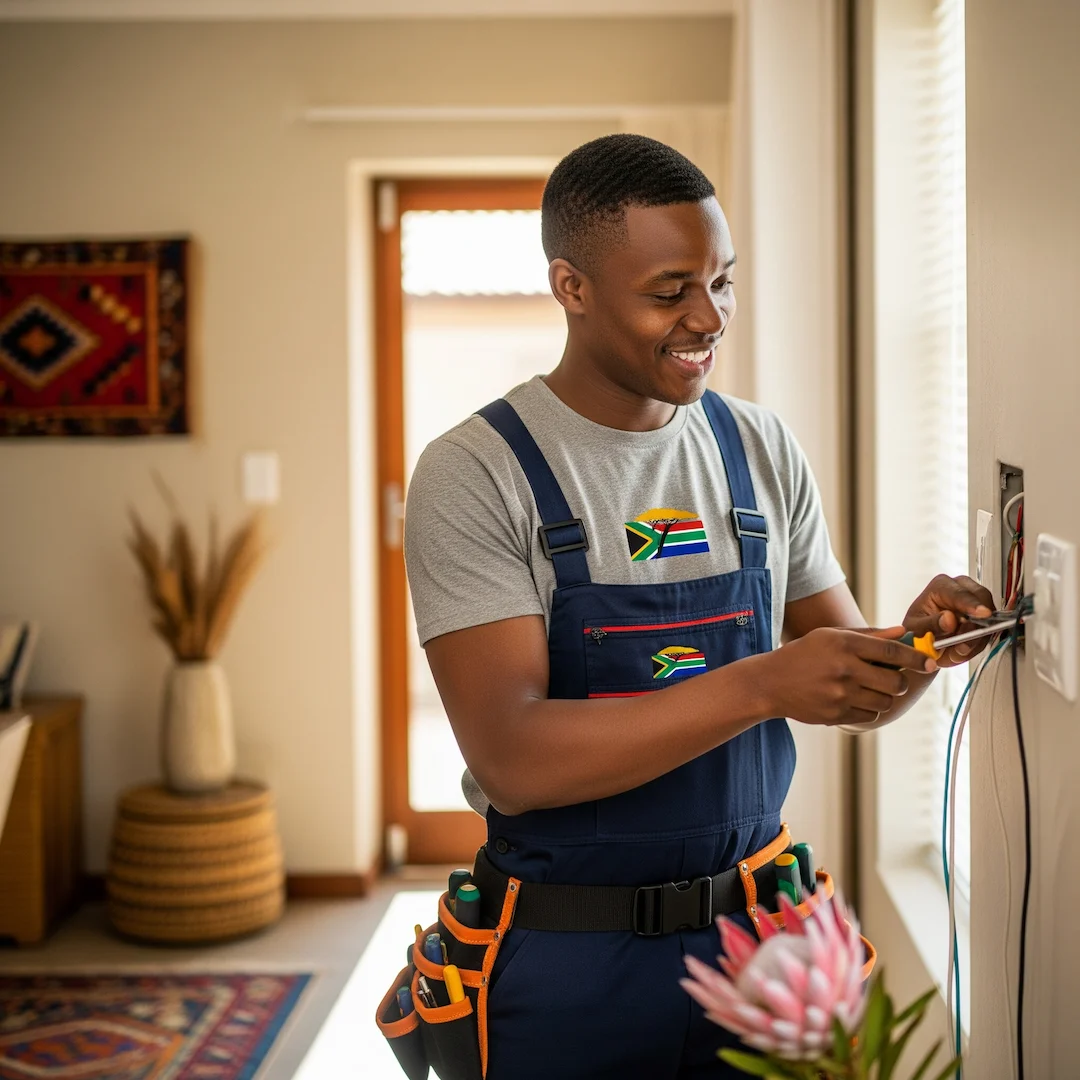
Making the Right Choice: Why Vetted Electricians Are Essential for Your South African Home
Choosing an electrician in South Africa? Learn why hiring vetted, registered professionals is essential for electrical safety, compliance, and long-term peace of mind in your home.

Making the Right Choice: Why Vetted Electricians Are Essential for Your South African Home
That flickering light in the passage isn't just a minor annoyance. The circuit breaker that keeps tripping when you use the kettle and the microwave at the same time isn't just a quirk of your house. These are small signals from your home's electrical system—its central nervous system. And when it comes to electricity, listening to these signals and responding correctly is not just a matter of convenience, but of safety.
Choosing an electrician in South Africa can feel overwhelming. A quick search reveals countless options, from large companies to one-person operations. The temptation to go with the cheapest or quickest quote is strong. However, when dealing with the powerful and potentially dangerous force of electricity, the right choice is never about the price tag alone. It’s about safety, compliance, and peace of mind.
This guide will walk you through why choosing a qualified, registered, and properly vetted electrician is one of the most important decisions you can make as a homeowner.
The Alarming Risks of Cutting Corners with Electrical Work
Hiring an unqualified or "bakkie-brigade" electrician might seem like a way to save a few hundred rand on a small job. But the potential consequences can be devastating, turning that initial saving into a massive financial and emotional cost. Our network of professional electricians constantly shares stories of jobs they've been called in to fix, and the patterns are always alarmingly similar.
Here are the most critical risks you face when you don't hire a true professional:
- Extreme Fire Hazards: This is the number one risk. An experienced electrician we work with in Johannesburg recently told us about a call-out to a home where the family had noticed a strange burning smell. They had hired a cheap handyman to install new downlights. The pro found that the wires had been joined using only insulation tape—no proper connectors—and the hot connections were left resting directly on flammable ceiling insulation. It was a fire waiting to happen. Improperly sized wires, loose connections, and overloaded circuits are all common shortcuts that can lead to overheating and catastrophic fires.
- Electric Shock and Personal Injury: A single exposed live wire or a poorly earthed appliance can be lethal. Professionals are trained to ensure every part of an installation is sealed, secure, and correctly earthed to protect you and your family from accidental shocks. Unqualified individuals often miss these critical safety steps.
- Damage to Your Appliances: Your TVs, computers, fridges, and other expensive electronics are sensitive to electrical fluctuations. Faulty wiring can lead to incorrect voltage or power surges that can permanently destroy these appliances, costing you thousands to replace.
- The Financial Fallout of Shoddy Work: A job done poorly is a job you'll have to pay for twice. Fixing bad electrical work often costs more than getting it done right the first time, as the new electrician first has to diagnose and undo the dangerous mess before they can even begin the actual repair.
- Legal and Insurance Nightmares: In South Africa, any electrical alteration or new installation requires a Certificate of Compliance (CoC). If your work is done by someone who isn't qualified to issue one, you'll run into serious trouble. You cannot legally sell your property without a valid CoC, and if an electrical fault causes a fire, your home insurance provider is likely to reject your claim if the work wasn't compliant.
What "Qualified" and "Vetted" Really Mean in South Africa
The terms "qualified" and "vetted" are more than just buzzwords; they represent a specific set of standards that protect you. Understanding them is key to hiring someone you can trust.
Key Credentials of a Qualified Electrician
- A Valid Wireman's Licence: This is a non-negotiable, foundational requirement. The licence proves that the individual has undergone the necessary training and assessment to work on electrical installations safely.
- Registration as an Electrical Contractor: The electrician or their company must be registered with the Department of Labour (DoL). This confirms they are a legitimate business authorised to carry out electrical contracting work in the country.
- Ability to Issue a Certificate of Compliance (CoC): Only a registered person can legally inspect an electrical installation and issue a CoC. This certificate is your official guarantee that the work complies with the regulations set out in the SANS 10142-1, South Africa's wiring code. You need a valid CoC when:
- Selling your property.
- Making any additions or alterations to an existing installation.
- Changing ownership of the property.
What a "Vetted" Professional Brings to the Table
Vetting goes a step beyond just checking for a licence. A thoroughly vetted electrician has had their credentials and history scrutinised to provide an extra layer of assurance. This process typically includes:
- Verification of Credentials: Confirming their Wireman's Licence and DoL registration are current and valid.
- Proof of Public Liability Insurance: This is crucial. It means if accidental damage occurs to your property during the job, their insurance will cover it, not you.
- Review of Work History and References: Checking their track record with previous clients to ensure they are reliable, professional, and deliver high-quality work.
Choosing a professional who has been vetted by a trusted platform means someone else has already done this critical homework for you.
The Hallmarks of a Professional Electrician: Your Checklist for Hiring
When you engage with a potential electrician, keep an eye out for these positive signs. A true professional will tick all these boxes.
- They Ask Detailed Questions: A pro won't give a flat price over the phone without understanding the situation. They will ask about your home, the age of the wiring, the specific problem, and what you want to achieve.
- They Provide a Written, Itemised Quote: You should receive a formal quote that breaks down the cost of labour and materials. This transparency protects you from hidden costs and misunderstandings. Be wary of vague, verbal "estimates."
- They Can Show You Their Credentials: A trustworthy electrician will be happy to show you their Wireman's Licence and proof of registration. If they are hesitant, that's a major red flag.
- They Prioritise Safety Above All Else: From the moment they arrive, a professional will work safely. They will likely need to switch off the power at the main distribution board (DB) and will communicate this with you. They will use the proper tools and equipment.
- They Offer a Guarantee on Their Workmanship: Reputable contractors are confident in their skills and stand by the quality of their work, often providing a guarantee or warranty on their labour.
The Long-Term Value of Peace of Mind
Ultimately, hiring a top-tier, vetted electrician is an investment. It’s an investment in the safety of your home and family. It’s an investment in the value of your property. And it’s an investment in your own peace of mind.
Knowing that the wiring behind your walls, the connections in your ceiling, and the earth leakage in your DB board are all installed correctly by an accountable professional allows you to rest easy. You avoid the immense stress and financial burden of fixing a botched job and ensure that when it comes time to sell your home, the process is smooth and legally compliant.
When it comes to electricity, the safest choice is always the smartest choice. Don’t leave it to chance.
Frequently Asked Questions
How often should I get my home's electrical system checked?
Even if you're not selling your home, it's a good practice to have your electrical installation inspected by a qualified electrician every two to five years. For older homes (25+ years), an inspection every two years is recommended to check for deteriorating wiring and ensure the system can handle modern electrical loads.
What is the difference between a tripping circuit breaker and a blowing fuse?
Both are safety devices designed to interrupt the flow of electricity during an overload or fault. A fuse contains a thin wire that melts and "blows" to break the circuit, and it must be replaced. A circuit breaker is a switch that "trips" (switches off) and can be reset once the fault has been cleared. Modern homes use circuit breakers as they are safer and more convenient. If a breaker trips repeatedly, it's a sign of a problem that needs a professional diagnosis.
Can I do minor electrical work myself, like changing a light switch?
While changing a light switch may seem simple, South African regulations are very strict. Legally, any work that involves altering the fixed wiring of your home must be done by a qualified electrician and covered by a CoC. Attempting DIY electrical work can be extremely dangerous if you are not trained, can void your home insurance, and may create hidden faults. For your safety, it's always best to call a professional.
Does a Certificate of Compliance (CoC) expire?
A Certificate of Compliance does not have a fixed expiry date. However, it is only valid for the specific installation as it existed at the time of inspection. If any alterations or additions are made to the electrical system—like adding a new plug point or installing an oven—a new CoC or a supplementary CoC is required to cover the new work. For the purpose of selling a property, a CoC is generally considered valid for two years, provided no alterations have been made.
Suzette Meyer is the lead author and content creator for Kandua.com, South Africa’s #1 marketplace for home services. Suzette has made it her mission to help homeowners with advice on all aspects of home repair, maintenance and improvement, including how to choose the right Pro and how to make smart upgrades that improve your resale value or save costs.

Related articles, advice and more
.webp)
How to Check If an Electrician Is Registered with ECB
The Electrical Conformance Board of South Africa (ECB) serves as a vital gatekeeper in this industry. If you are in the middle of a renovation or just need a new DB board installed, knowing how to verify your electrician’s registration is the most important step you can take.
What to Do If You Smell Burning from an Electrical Outlet
For South African homeowners, electrical faults are a leading cause of house fires. Whether it is caused by old wiring in heritage homes in suburbs like Melville or Observatory, or the strain placed on systems by post-load shedding surges, knowing exactly how to react can save your property and your life.This guide details the immediate steps you must take, the likely causes of the smell, and what to expect when you call in a professional.
.webp)
.webp)
.webp)
Your Inverter is Repaired! Key Checks to Ensure Continued Backup Power in SA
This guide will walk you through the essential checks and maintenance tips to maximise the lifespan and efficiency of your recently repaired inverter and battery setup, straight from the insights of experienced electricians across South Africa.
.webp)
.webp)
.webp)
Latest articles, advice and more
.webp)
How To Fix A Damp Wall And What's Actually Causing It
If your walls are weeping, your plaster is flaking, or you can smell that musty, damp smell, you're not dealing with one problem; you're dealing with three possible ones. The fix depends entirely on the cause.
.webp)
Gutter Cleaning: How Often Should You Do It and What Does It Cost?
Clean your gutters at least twice a year, and always before your rainy season kicks in. In South Africa, a professional gutter clean usually costs somewhere between R450 and R2,500, depending on the size of your home, how high the roof is, and how blocked things have become. Here is how to work out the right frequency and a fair price.
.webp)
Why Are My Plug Points Not Working? A Troubleshooting Guide
If your plug points have suddenly gone dead, the usual culprits are a tripped earth leakage switch, a tripped circuit breaker, loose or burnt wiring, or a faulty appliance overloading the circuit. Work through the safety checks below before you call anyone, then understand when the job requires a registered electrician.
.webp)
How a Geyser Timer Can Cut Your Electricity Bill
If you've been staring at your Eskom bill and wondering where the money is going, your geyser might be the culprit. Here's the good news: a simple geyser timer can cut your hot water costs by up to 30% each month, which typically saves South African homeowners between R200 and R400 on their electricity bills, depending on their current usage.
%20(1).webp)
How To Treat and Paint Over Damp Walls (So It Doesn't Come Back)
You've noticed a patch on the bedroom wall: discoloured and maybe a bit soft to the touch, and you're wondering if a fresh coat of paint will simply cover the problem. The short answer: no, it won't. But the good news is that understanding what's happening beneath that stain, and treating it properly, is far simpler than you might think.
.webp)
Beyond the Unboxing: A Detailed Guide to Correct Washing Machine Plumbing & Setup
New washing machine in South Africa? Learn essential plumbing and setup tips to prevent leaks, ensure efficient operation, and extend your appliance’s lifespan - expert advice before your first load.
.webp)
New Washing Machine? Don't Plug It In Yet! Essential Installation Tips for SA Homes
Installing a new washing machine? Learn the essential setup steps South African homeowners often overlook to prevent leaks, noise, and damage—and ensure efficient, long-lasting performance from day one.
%20(1).webp)
.webp)
TV Repair Costs in South Africa: Diagnosing Screen, Power & Component Issues
Find out what TV repairs really cost in South Africa – from call-out and diagnosis fees to screen, power and main board fixes – and when it’s cheaper to replace your TV instead of repairing it.
.webp)
Septic Tank Leak Repair Cost in South Africa: Addressing Odours & Environmental Hazards
Learn typical septic tank leak repair costs in South Africa, what drives the price up, how to spot early warning signs (odours, soggy ground, backups), and when it’s safer and cheaper to get a professional in.
How to Install a Horizontal Geyser | Step-by-Step Pro Guide
Want to install a geyser like a pro? This step-by-step tutorial shows you exactly how to do a horizontal Ariston Axios geyser installation, straight from the BluLever plumbing workshop. 🎥 Hosted by MK, BluLever’s technical facilitator, and supported by a qualified electrician, Life and a BluLever graduate artisan, Zinhle. This is your ultimate guide to a SANS 10254-compliant installation — from preparing the wall, to plumbing, electrical wiring, and pro troubleshooting tips.
How to Maintain a Geyser | Step-by-Step Pro Guide
Want to maintain a geyser like a pro? This step-by-step tutorial shows you exactly how to do the three core geyser maintenance checks on an Ariston Axios geyser installation, straight from the BluLever plumbing workshop. 🎥 Hosted by MK, BluLever’s technical facilitator, and supported by a qualified electrician, Life. This is your ultimate guide to geyser maintenance — from diagnosing the problem to checking the heat regulation of the geyser, to pressure regulation and then finally corrosion protection.
%201.avif)
Not just another newsletter. It's an advantage


From problem to solved.


.svg)


.avif)
.avif)
.avif)


.avif)