The Single Phase Electrical COC Process in SA: What an Inspector Looks For & How to Prepare Your Home
.webp)
Article summary
Need a single-phase Electrical COC in South Africa? Learn what electricians inspect, how the COC process works, and how to prepare your home for a smooth, SANS-compliant inspection.

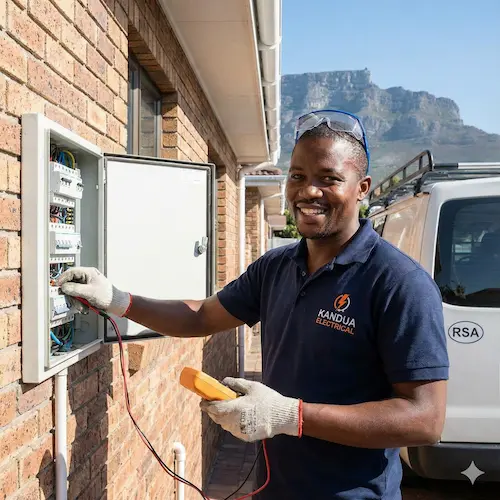
For South African homeowners, understanding the Electrical Certificate of Compliance (COC) process for a single-phase installation is crucial. Whether you're buying or selling a property, or simply ensuring the safety of your home, a valid COC is a non-negotiable document. It's essentially a declaration by a qualified electrician that your electrical installation complies with the South African National Standards (SANS) 10142-1, ensuring your home’s electrical system is safe and functional.
But what exactly happens during a single-phase electrical inspection? What are electricians really looking for, and how can you prepare your home to ensure a smooth process? Let's break it down.
What is a Single Phase Electrical COC?
A Single Phase Electrical Certificate of Compliance confirms that your home's electrical installation meets the safety standards outlined in SANS 10142-1. Most residential properties in South Africa operate on a single-phase electrical supply, making this the most common type of COC issued for homes. It covers everything from your main switch to your light fittings and plug sockets, ensuring all components are correctly installed, wired, and safe for use.
The Electrical COC Inspection Process: What an Inspector Looks For
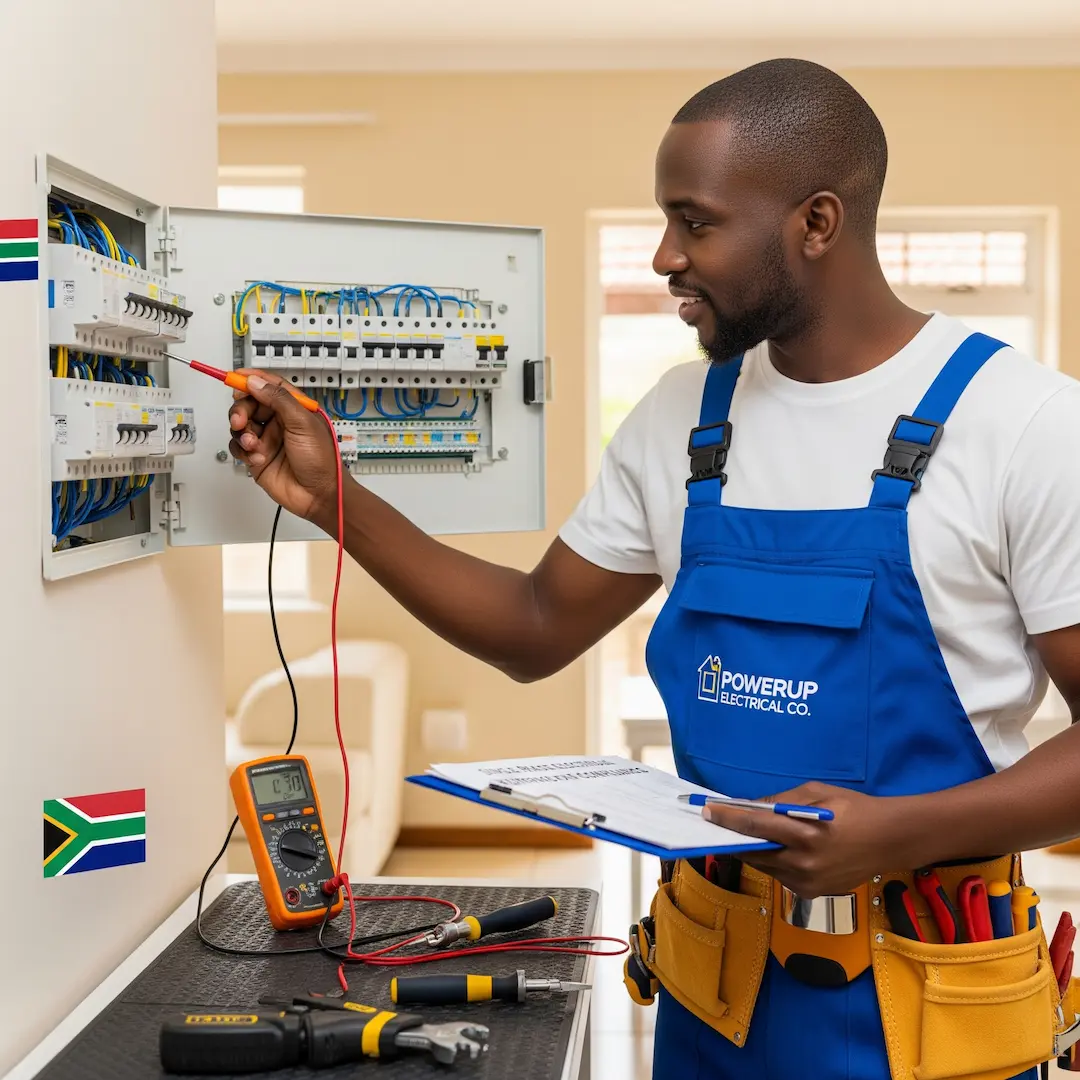
When a qualified electrician arrives to conduct an inspection for a single-phase COC, they follow a systematic approach, meticulously checking various aspects of your electrical installation. Based on insights from experienced electricians across South Africa, here’s a detailed look at what they’ll be focusing on:
1. Earthing and Bonding
This is often the first and most critical area an inspector will examine. Proper earthing (grounding) is fundamental to electrical safety, protecting against electric shock in the event of a fault.
- Main Earth Connection: The inspector will verify that your main earth conductor is correctly connected to the earth electrode (e.g., an earth spike driven into the ground) and that this connection is robust and secure. Many electricians will tell you stories of finding loose or corroded earth connections that could have led to serious incidents.
- Bonding: They'll also check for proper bonding of all extraneous conductive parts, such as metal water pipes, geyser casings, and air conditioning units. This ensures that all metal components that could potentially become live in a fault condition are connected to the earth system.
2. Distribution Board (DB Board)
The heart of your home's electrical system, the DB board, will undergo a thorough inspection.
- Labelling and Diagram: Is the DB board clearly labelled, indicating what each circuit breaker controls? Is there an up-to-date circuit diagram inside the board? This might seem minor, but it's crucial for safety and troubleshooting.
- Circuit Breakers: All circuit breakers must be correctly rated for their respective circuits and be in good working order. They should trip instantly when tested. An electrician once shared an instance where a home had an oven connected to a general-purpose plug circuit, severely overloading it – a definite COC failure.
- Earth Leakage Unit (ELU): The ELU is your primary protection against electric shock. The inspector will test its functionality rigorously. It should trip within milliseconds when the test button is pressed, and they'll often use a dedicated tester to verify its tripping time and current. This is a non-negotiable pass/fail item.
- Wiring and Connections: The internal wiring of the DB board must be neat, correctly terminated, and free from any signs of overheating or damage. Loose connections are a common culprit for issues.
3. Wiring Integrity and Condition
The condition and correct installation of your home’s wiring are paramount.
- Conductor Sizing: Are the wires correctly sized for the load they carry? For example, a circuit supplying an oven will require thicker cables than a lighting circuit. Undersized cables can overheat, posing a fire risk.
- Insulation: The insulation on all wires must be intact, without any nicks, cuts, or signs of deterioration. Rodent damage to wiring is a surprisingly common discovery during inspections, requiring immediate attention.
- Conduits and Trunking: All wiring should be properly protected within conduits or trunking, especially where it passes through walls or ceilings, to prevent damage.
4. Sockets and Switches
Every switch and socket outlet in your home will be individually inspected.
- Condition: Are they securely mounted, free from cracks, and in good working order? Loose sockets are not just annoying; they can be a fire hazard due to arcing.
- Correct Wiring: The inspector will check that live, neutral, and earth wires are connected to the correct terminals. Incorrectly wired sockets are a frequent non-compliance issue.
- Polarity: They will test for correct polarity at all socket outlets. This means ensuring that the live and neutral connections are not reversed, which can be dangerous for certain appliances.
5. Lighting Circuits and Fittings
- Secure Fittings: All light fittings must be securely mounted and properly wired.
- Protection: Are light circuits adequately protected by circuit breakers?
- Accessible Junction Boxes: Where junction boxes are used, they must be accessible and properly covered.
6. Fixed Appliances
Any permanently wired appliances, such as geysers, stoves, and air conditioners, will be checked.
- Dedicated Circuits: High-draw appliances should typically be on their own dedicated circuits with appropriately rated circuit breakers.
- Isolation Switches: Many fixed appliances, especially geysers, require an easily accessible isolation switch nearby for safety during maintenance or in an emergency.
- Element and Thermostat Checks: While not always dismantled, the general operational safety and wiring to these appliances will be scrutinised.
How to Prepare Your Home for an Electrical COC Inspection
Preparing your home can significantly streamline the inspection process and potentially save you time and money on call-backs. Here’s what you can do:
- Clear Access to Electrical Components: Ensure the electrician has easy and safe access to your DB board, all plug sockets, light switches, fixed appliances (like your geyser in the ceiling or oven), and any external electrical points. This means moving furniture, clearing storage around the geyser, and ensuring no obstructions.
- Test Your Earth Leakage Unit (ELU): Locate the test button on your Earth Leakage Unit in your DB board. Press it firmly. Your power should trip immediately. If it doesn't, or if it's sluggish, you likely have a faulty ELU which will need replacement. This is a common and often easily fixable issue.
- Check for Loose Sockets and Switches: Walk through your home and gently wiggle each plug socket and light switch. If any are loose or feel unstable, they'll need to be re-secured or replaced. This is a frequent discovery during inspections and is often a quick fix for a qualified professional.
- Look for Damaged Wiring: Visually inspect any exposed wiring for fraying, cuts, or signs of burning. While most wiring is concealed, sometimes wires for outdoor lighting or gate motors can be visible.
- Ensure All Lights and Appliances are Working: While an inspector isn't there to fix your broken kettle, they will check the functionality of circuits by testing lights and plug points. Make sure all your bulbs are working, and if any plug points are known to be faulty, address them beforehand.
- Verify DB Board Labelling: If your DB board isn't clearly labelled, consider making a temporary note of what each circuit breaker controls. This helps the electrician quickly identify circuits.
- Address DIY Fixes (Cautiously!): If you've attempted any DIY electrical work, it's highly recommended to have a professional electrician review it before the COC inspection. Many DIY fixes, even seemingly minor ones, often don't meet SANS standards and will result in a failed inspection. Remember, electricity can be incredibly dangerous, and any DIY electrical work should only be attempted if you are absolutely confident in your ability and understanding of safety protocols. It's always safest to call in a qualified professional.
- Provide Any Existing Electrical Documentation: If you have previous COCs or electrical plans for your home, have them ready for the inspector. While they'll conduct a fresh inspection, previous documentation can sometimes provide useful context.
By taking these proactive steps, you can significantly increase the chances of a smooth and successful single-phase electrical COC inspection, ensuring your home is safe and compliant with South African regulations.
Frequently Asked Questions
How long is an Electrical COC valid for?
In South Africa, an Electrical Certificate of Compliance (COC) is generally valid for two years, provided no alterations or additions have been made to the electrical installation. However, it is typically required when a property changes ownership or if significant electrical work has been performed.
What happens if my home fails the COC inspection?
If your home's electrical installation does not comply with the SANS standards during the inspection, the electrician will issue a report detailing all the non-compliance issues. You will then need to have these issues rectified by a qualified electrician. Once the repairs are completed, a re-inspection will be conducted, and if everything is up to standard, the COC will be issued.
Can I do the electrical repairs myself to save money?
No. All electrical repairs and modifications, especially those required for a COC, must be carried out by a qualified and registered electrician. Attempting DIY electrical work without the proper qualifications and knowledge is not only dangerous but will also not be accepted by the inspector for COC purposes.
What are some common reasons for a COC failure?
Common reasons for COC failures include faulty or incorrectly wired earth leakage units, undersized or damaged wiring, unlabelled or incorrectly labelled distribution boards, loose or incorrectly wired sockets and switches, lack of proper earthing, and absence of isolation switches for fixed appliances like geysers.
Related articles, advice and more
.webp)
Beyond the Unboxing: A Detailed Guide to Correct Washing Machine Plumbing & Setup
New washing machine in South Africa? Learn essential plumbing and setup tips to prevent leaks, ensure efficient operation, and extend your appliance’s lifespan - expert advice before your first load.
.webp)
New Washing Machine? Don't Plug It In Yet! Essential Installation Tips for SA Homes
Installing a new washing machine? Learn the essential setup steps South African homeowners often overlook to prevent leaks, noise, and damage—and ensure efficient, long-lasting performance from day one.
How to Install a Horizontal Geyser | Step-by-Step Pro Guide
Want to install a geyser like a pro? This step-by-step tutorial shows you exactly how to do a horizontal Ariston Axios geyser installation, straight from the BluLever plumbing workshop. 🎥 Hosted by MK, BluLever’s technical facilitator, and supported by a qualified electrician, Life and a BluLever graduate artisan, Zinhle. This is your ultimate guide to a SANS 10254-compliant installation — from preparing the wall, to plumbing, electrical wiring, and pro troubleshooting tips.
How to Maintain a Geyser | Step-by-Step Pro Guide
Want to maintain a geyser like a pro? This step-by-step tutorial shows you exactly how to do the three core geyser maintenance checks on an Ariston Axios geyser installation, straight from the BluLever plumbing workshop. 🎥 Hosted by MK, BluLever’s technical facilitator, and supported by a qualified electrician, Life. This is your ultimate guide to geyser maintenance — from diagnosing the problem to checking the heat regulation of the geyser, to pressure regulation and then finally corrosion protection.
Latest articles, advice and more
.webp)
Your Inverter is Repaired! Key Checks to Ensure Continued Backup Power in SA
This guide will walk you through the essential checks and maintenance tips to maximise the lifespan and efficiency of your recently repaired inverter and battery setup, straight from the insights of experienced electricians across South Africa.
.webp)
Natural Gas Stove Installation in SA: Choosing a Certified Expert for Safety and Connection Compliance
Connecting to a natural gas line is a specialised task with significant safety implications. Choosing the right person for the job is essential. Here's your A to Z guide on getting it right the first time.
.jpeg)
Is Your LPG Gas Geyser Not Heating? Common Issues & When to Call for Repair
This LPG Gas Geyser guide will walk you through some basic, safe troubleshooting steps you can take yourself. We'll also cover the critical signs that mean you should stop immediately and call a qualified professional.
.webp)
Enjoying Your New Heat Pump in SA? Essential Post-Installation Tips for Longevity & Savings
Installed a heat pump in South Africa? Discover essential post-installation tips to maximise efficiency, extend lifespan, and boost savings—expert insights that ensure your investment keeps paying off.
.webp)
Aircon Not Cooling? Why Expert Regas & Repair Ensures Your Comfort in South Africa's Heat
Aircon not cooling in South Africa’s heat? Learn why expert regas and professional repairs matter—protecting your comfort, preventing costly damage, and ensuring your air conditioner performs efficiently.
.webp)
Beyond the Unboxing: A Detailed Guide to Correct Washing Machine Plumbing & Setup
New washing machine in South Africa? Learn essential plumbing and setup tips to prevent leaks, ensure efficient operation, and extend your appliance’s lifespan - expert advice before your first load.
.webp)
New Washing Machine? Don't Plug It In Yet! Essential Installation Tips for SA Homes
Installing a new washing machine? Learn the essential setup steps South African homeowners often overlook to prevent leaks, noise, and damage—and ensure efficient, long-lasting performance from day one.
.webp)
TV Repair Costs in South Africa: Diagnosing Screen, Power & Component Issues
Find out what TV repairs really cost in South Africa – from call-out and diagnosis fees to screen, power and main board fixes – and when it’s cheaper to replace your TV instead of repairing it.
.webp)
Septic Tank Leak Repair Cost in South Africa: Addressing Odours & Environmental Hazards
Learn typical septic tank leak repair costs in South Africa, what drives the price up, how to spot early warning signs (odours, soggy ground, backups), and when it’s safer and cheaper to get a professional in.
.webp)
Hidden Water Leak Detection Cost in South Africa: Non-Invasive Solutions
Discover what hidden water leak detection really costs in South Africa – from acoustic and thermal imaging to tracer gas – and when it’s worth calling a non-invasive leak detection specialist to avoid massive water damage and repair bills.
How to Install a Horizontal Geyser | Step-by-Step Pro Guide
Want to install a geyser like a pro? This step-by-step tutorial shows you exactly how to do a horizontal Ariston Axios geyser installation, straight from the BluLever plumbing workshop. 🎥 Hosted by MK, BluLever’s technical facilitator, and supported by a qualified electrician, Life and a BluLever graduate artisan, Zinhle. This is your ultimate guide to a SANS 10254-compliant installation — from preparing the wall, to plumbing, electrical wiring, and pro troubleshooting tips.
How to Maintain a Geyser | Step-by-Step Pro Guide
Want to maintain a geyser like a pro? This step-by-step tutorial shows you exactly how to do the three core geyser maintenance checks on an Ariston Axios geyser installation, straight from the BluLever plumbing workshop. 🎥 Hosted by MK, BluLever’s technical facilitator, and supported by a qualified electrician, Life. This is your ultimate guide to geyser maintenance — from diagnosing the problem to checking the heat regulation of the geyser, to pressure regulation and then finally corrosion protection.

Your go-to-hub for DIY tips, expert advice, cost guides and more.
.avif)
Connecting you to qualified, trusted Pros.
The world’s first AI-powered home services platform, here to help you protect, maintain, and improve your home with confidence.
.avif)
.avif)
.webp)