
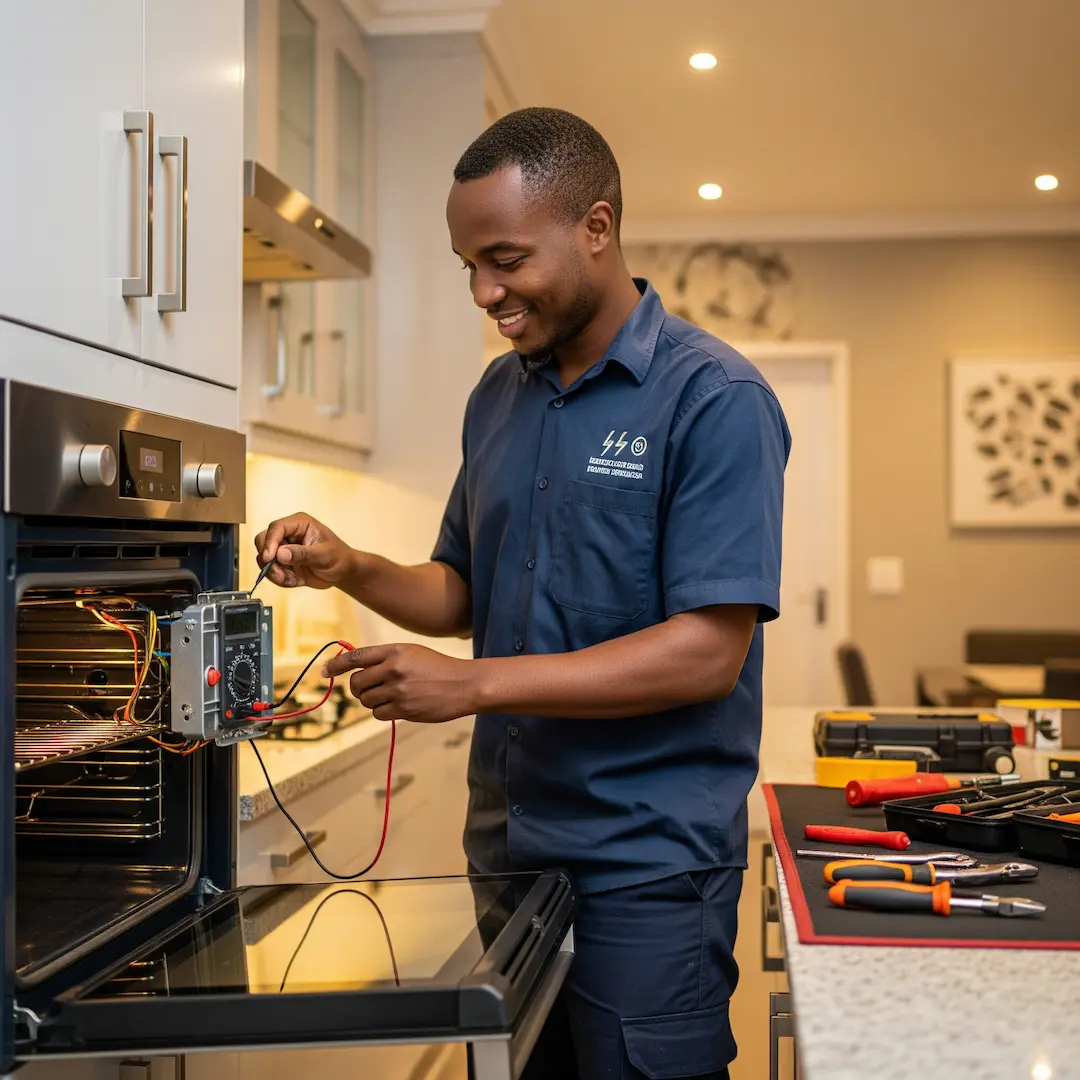
Your Electric Oven is Repaired! Tips for Sustained Performance & Safety in SA
Electric oven repaired in South Africa? Discover essential post-repair tips to maintain safety, boost performance, and extend your oven’s lifespan - expert advice to prevent repeat faults and costly repairs.

Your Electric Oven is Repaired! Tips for Sustained Performance & Safety in SA
It’s a relief when your electric oven is back up and running after a repair. Whether it was a faulty element, a thermostat issue, or a wiring problem, having a working oven is essential for many South African households. But the repair isn't the end of the story. To ensure your oven continues to perform reliably and safely for years to come, there are several crucial steps you can take.
Think of it this way: just like servicing your car after a repair ensures it runs smoothly, taking proactive steps with your oven can prevent future headaches and costly call-outs. Our expert electricians, who regularly tackle all sorts of oven woes, often share valuable insights on how homeowners can extend the life of their appliances and maintain optimal performance.
Understanding Your Recently Repaired Oven
When an electrician works on your oven, they're not just fixing the immediate problem; they're often addressing underlying issues that led to the fault. For instance, if a heating element needed replacing, it might have been due to wear and tear, but sometimes it's also linked to how consistently the oven has been cleaned or whether it's been overloaded.
One electrician recounted a situation where a customer called them back shortly after an element replacement. Upon inspection, they found the new element was already showing signs of strain. It turned out the homeowner was frequently baking multiple heavy dishes at very high temperatures, putting immense stress on the new component. A quick chat about adjusting cooking habits made all the difference.
Subtle Signs of Potential Recurring Issues
Even after a professional repair, it's wise to remain observant. Your oven often gives subtle clues if something isn't quite right. Being attuned to these can help you catch minor problems before they escalate into major breakdowns.
- Inconsistent Heating: If you notice your food isn't cooking evenly, or takes longer than usual, it could indicate a heating element struggling, or a thermostat that isn't quite calibrated. This is particularly noticeable after an element replacement.
- Unusual Odours: While a new oven or a recently replaced element might emit a faint smell initially, persistent or strong burning smells, especially metallic or acrid odours, are a red flag. This could point to lingering electrical issues or residue burning off.
- Strange Noises: Clicking, buzzing, or humming sounds that weren't present before the repair could signal a loose connection, a struggling fan motor, or other electrical component issues.
- Tripping Circuit Breakers: If your oven repair involved electrical wiring, and you find your circuit breaker tripping specifically when the oven is in use, contact your electrician immediately. This indicates an overload or a short circuit, which is a serious safety concern.
- Visible Arcing or Sparks: Any visible sparks or arcing from within the oven cavity or around the controls are extremely dangerous and require immediate attention from a qualified electrician.
Proper Cleaning for Sustained Performance
Cleaning isn't just about aesthetics; it plays a vital role in your oven's efficiency and longevity. Food spills and grease build-up can insulate heating elements, making them work harder and potentially leading to premature failure.
- Regular Wipe-Downs: After each use, once the oven has cooled, wipe down the interior with a damp cloth to remove fresh spills. This prevents them from baking on and becoming harder to remove.
- Deep Cleaning: Depending on how frequently you use your oven, aim for a deep clean every 2-3 months.
- Self-Cleaning Ovens: If your oven has a self-cleaning function, follow the manufacturer's instructions carefully. Ensure adequate ventilation as this process can produce fumes.
- Manual Cleaning: For manual cleaning, use a dedicated oven cleaner or a paste of baking soda and water. Apply, let it sit for a few hours (or overnight for stubborn grime), then scrub and wipe clean.
- Avoid Abrasives: Do not use harsh abrasive scrubbers on heating elements or the oven interior, as this can damage components or the finish.
- Clean the Door Seal: The rubber seal around the oven door is crucial for retaining heat. Keep it clean and free of crumbs or sticky residue. A damaged seal can lead to heat loss, making your oven less efficient and potentially stressing heating elements.
- Ventilation Matters: Ensure the oven's vents are not blocked. These are essential for proper airflow and preventing overheating.
Avoiding Overloading and Misuse
While modern ovens are robust, they aren't indestructible. Overloading or misusing your oven can place undue stress on its components, particularly after a repair.
- Respect Weight Limits: Avoid placing excessively heavy dishes or multiple large trays in the oven simultaneously, especially if your repair involved structural components or heating elements. This can strain the oven racks and affect heat distribution.
- Distribute Food Evenly: When baking multiple items, try to arrange them to allow for good airflow. Overcrowding can lead to uneven cooking and can also contribute to elements working harder than necessary.
- Preheating is Key: Always preheat your oven to the desired temperature before placing food inside. Placing food in a cold oven and then turning it on forces the elements to work harder to reach and maintain temperature, potentially shortening their lifespan.
- Use Proper Cookware: Use oven-safe cookware that is appropriate for the size and type of dishes you are preparing.
- Don't Use for Storage: Avoid using your oven as a storage space for pots, pans, or other items. This can obstruct airflow and potentially damage items if the oven is accidentally turned on.
The Importance of Professional Follow-Up
Even with the best maintenance, some issues require a professional touch. If you suspect a recurring problem, or notice any of the warning signs mentioned above, it’s always best to call in a qualified electrician.
In South Africa, it's crucial to use electricians who are properly qualified and registered, adhering to SANS 10142-1 regulations for electrical installations. This ensures that any work done on your oven, especially after a repair, is safe and compliant with national standards. Don't attempt complex electrical diagnostics or repairs yourself, as it can be extremely dangerous.
By following these practical tips for cleaning, careful use, and attentive observation, you can significantly extend the life of your recently repaired electric oven, ensuring it continues to be a reliable workhorse in your South African kitchen for years to come.
Frequently Asked Questions
How long should an electric oven last after a major repair?
The lifespan of an electric oven after a major repair depends on the nature of the repair, the overall age and condition of the appliance, and how well it is maintained. If a key component like a heating element or thermostat was replaced, and the oven was otherwise in good condition, you could expect several more years of service. Regular cleaning and careful use are key to maximising its post-repair lifespan.
Is it normal for a new oven element to smoke a bit after installation?
Yes, it's quite common for a new oven element to emit a slight amount of smoke or a faint odour during its first few uses. This is usually just manufacturing oils or protective coatings burning off. Ensure your kitchen is well-ventilated during this initial period. If the smoke is excessive, persists after a few uses, or is accompanied by burning smells or tripping breakers, switch off the oven and contact a professional.
How often should I have my electric oven serviced?
While there isn't a strict annual servicing requirement for ovens like there is for gas appliances, a general inspection by a qualified electrician every few years can be beneficial, especially if your oven is older or heavily used. This can help identify potential issues before they become major problems, much like preventative maintenance for other home appliances.
Can I use aluminium foil on the bottom of my electric oven?
It is generally not recommended to line the bottom of your electric oven with aluminium foil. Foil can trap heat, interfering with the oven's heat distribution, potentially damaging the oven's interior finish or heating elements, and in some cases, even posing a fire risk. For catching spills, it's better to place a baking sheet or a purpose-made oven liner on the bottom rack, not directly on the oven floor.
Find a vetted electrician near you
Electric stove/oven repair: find a pro near you
- Electric stove/oven repair near you
- Electric stove/oven repair in Johannesburg
- Electric stove/oven repair in Sandton
- Electric stove/oven repair in Midrand
- Electric stove/oven repair in Roodepoort
- Electric stove/oven repair in Randburg
- Electric stove/oven repair in Pretoria
- Electric stove/oven repair in Cape Town
Suzette Meyer is the lead author and content creator for Kandua.com, South Africa’s #1 marketplace for home services. Suzette has made it her mission to help homeowners with advice on all aspects of home repair, maintenance and improvement, including how to choose the right Pro and how to make smart upgrades that improve your resale value or save costs.

Latest articles, advice and more
.webp)
.webp)
.jpeg)
Sinking Pavers, Weeds and Water That Pools: What Your Driveway Is Telling You
When your driveway starts sprouting weeds, pooling water, or sinking in patches, the bricks are not failing you. The layers underneath have moved, and they are trying to tell you exactly what went wrong.
.jpeg)
What Your Garage Door Motor Actually Does (And Why It Breaks)
Spoiler alert: your garage door motor isn't actually doing the heavy lifting. The torsion springs carry almost all the weight. The motor simply pushes, pulls, controls the descent so it doesn't slam, and acts as a lock when the door is shut. That’s why a relatively small box on your ceiling can move such a massive door. Want to test this? Pull the red manual release cord and lift the door by hand. If it glides up easily and stays put when you let go, your springs are doing their job, and the fault lies with the motor. If the door feels like dead weight or slams back down- stop. You’ve got a spring problem.
.jpeg)
4 Warning Signs Your Tiles Are Failing (And What They Mean)
Tiles rarely fail overnight. They warn you first. A hollow sound underfoot, grout that crumbles away, a tile that lifts at one edge, or a crack that runs across two tiles all point to something happening under the surface. Here is what each sign means, and how urgent it is.
.webp)
.webp)
Beyond the Unboxing: A Detailed Guide to Correct Washing Machine Plumbing & Setup
New washing machine in South Africa? Learn essential plumbing and setup tips to prevent leaks, ensure efficient operation, and extend your appliance’s lifespan - expert advice before your first load.
.webp)
New Washing Machine? Don't Plug It In Yet! Essential Installation Tips for SA Homes
Installing a new washing machine? Learn the essential setup steps South African homeowners often overlook to prevent leaks, noise, and damage—and ensure efficient, long-lasting performance from day one.
.webp)
.webp)
%25201200%2520x%25201200%2520(1).jpeg)
What Retiling a Bathroom Costs in 2026, Room by Room
Retiling a bathroom in South Africa costs between R230 and R800 per square metre in 2026, including materials and labour. A standard family bathroom, stripped and fully retiled, usually lands between R11,800 and R27,500. A guest toilet costs a fraction of that. A large porcelain en-suite costs a lot more.
How to Install a Horizontal Geyser | Step-by-Step Pro Guide
Want to install a geyser like a pro? This step-by-step tutorial shows you exactly how to do a horizontal Ariston Axios geyser installation, straight from the BluLever plumbing workshop. 🎥 Hosted by MK, BluLever’s technical facilitator, and supported by a qualified electrician, Life and a BluLever graduate artisan, Zinhle. This is your ultimate guide to a SANS 10254-compliant installation — from preparing the wall, to plumbing, electrical wiring, and pro troubleshooting tips.
How to Maintain a Geyser | Step-by-Step Pro Guide
Want to maintain a geyser like a pro? This step-by-step tutorial shows you exactly how to do the three core geyser maintenance checks on an Ariston Axios geyser installation, straight from the BluLever plumbing workshop. 🎥 Hosted by MK, BluLever’s technical facilitator, and supported by a qualified electrician, Life. This is your ultimate guide to geyser maintenance — from diagnosing the problem to checking the heat regulation of the geyser, to pressure regulation and then finally corrosion protection.
%201.avif)
Not just another newsletter. It's an advantage