
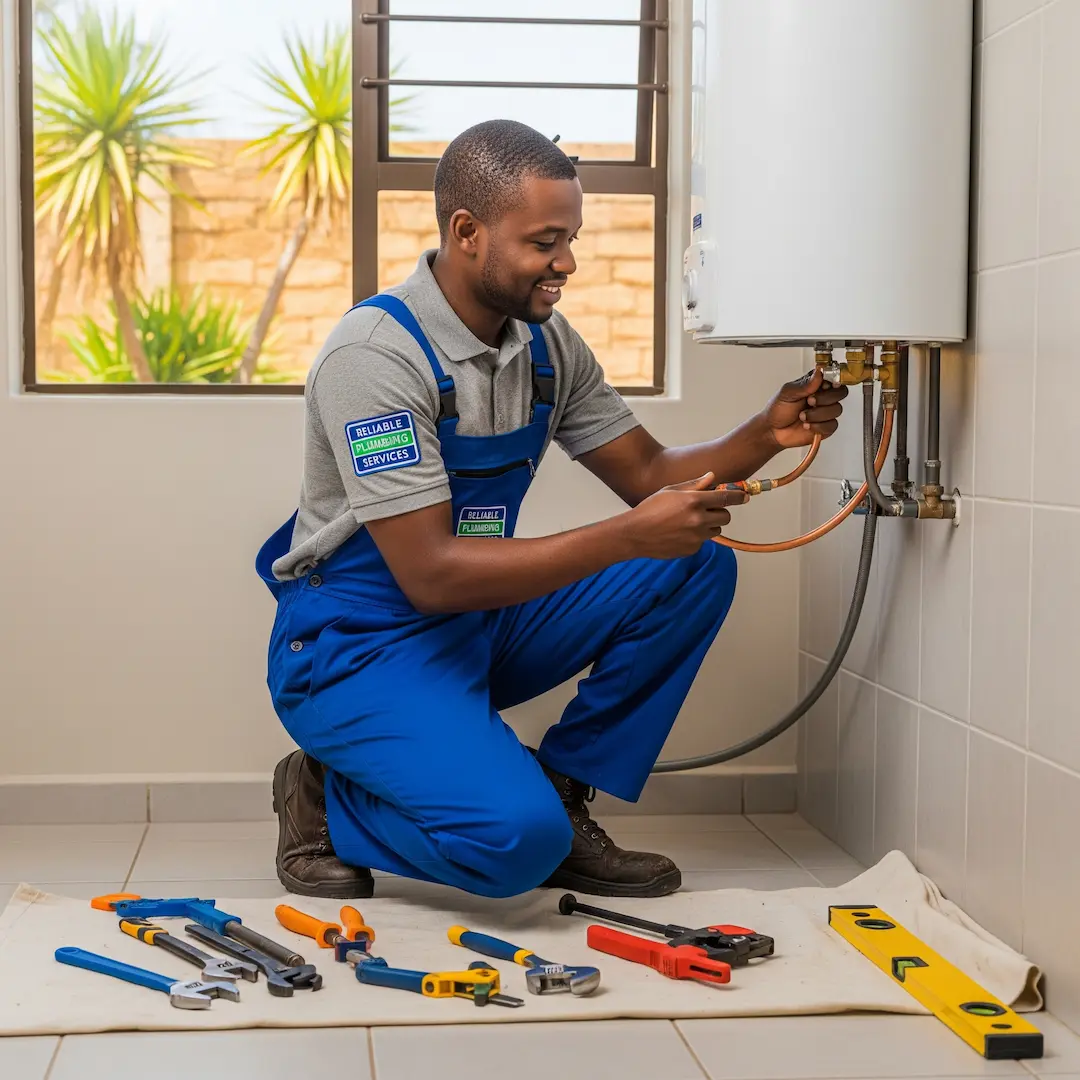
Your Gas Geyser is Repaired! How to Ensure It Stays Efficient and Safe in Your SA Home
Gas geyser repaired in South Africa? Learn essential post-repair tips to maintain safety, boost efficiency, and prevent future faults - expert guidance to protect your home and hot water supply.

Your Gas Geyser is Repaired! How to Ensure It Stays Efficient and Safe in Your SA Home
Having your gas geyser repaired is a huge relief, especially when you’re back to enjoying consistent hot water. But the repair itself is often just one step in ensuring your home’s hot water system remains efficient and, most importantly, safe in the long run. As our expert technicians often emphasise, proper post-repair care and vigilance can significantly extend the life of your gas geyser and prevent future headaches.
This guide will walk you through what to do after a gas geyser repair, how to spot subtle signs of potential issues, and some essential tips for maintaining its optimal performance and safety in your South African home.
Confirming the Repair: Initial Checks
Once your technician has packed up, it’s natural to feel confident the problem is solved. However, taking a few moments to confirm everything is in order can give you extra peace of mind.
- Test the Hot Water: The most obvious check is to run your hot water taps. Is the water heating up consistently? Does it reach the desired temperature? Pay attention to any fluctuations in temperature or pressure that weren't there before.
- Check for Leaks: Visually inspect all connections and pipes around the geyser for any signs of water leaks. Even a small drip can indicate an issue that needs addressing.
- Listen for Unusual Noises: Your gas geyser will make some operational sounds, but listen for anything out of the ordinary. Hissing, clanging, or excessive rumbling could point to an ongoing problem.
- Verify Gas Supply: Ensure the gas supply valve is fully open and that there are no noticeable gas odours (which would require immediate attention and professional help).
Subtle Signs to Watch For: Preventing Future Problems
One of the most valuable insights shared by experienced gas geyser specialists is that early detection of minor issues can prevent them from escalating into costly repairs or safety hazards. Here are some subtle signs our experts advise homeowners to look out for, even after a recent repair:
- Changes in Flame Colour: A healthy gas geyser flame should be predominantly blue. If you notice it becoming more yellow or orange, it could indicate incomplete combustion, which might be due to a dirty burner or an issue with the air-to-fuel mixture. This is often a tell-tale sign that an adjustment or cleaning is needed.
- Fluctuating Water Temperature: While you might expect consistent hot water after a repair, pay attention if the water temperature starts to vary unexpectedly. One homeowner recounted how their water would suddenly go cold mid-shower, only to heat up again moments later. It turned out to be a minor sensor issue that was easily rectified before it caused a full system shutdown.
- Pilot Light Issues: If your geyser has a pilot light, observe if it frequently goes out or if it seems weaker than usual. A flickering or dim pilot light can be a precursor to ignition problems.
- Unusual Odours (Beyond Initial Ignition): While a slight gas smell during ignition is normal, a persistent or strong gas odour at any other time is a serious concern and requires immediate action. Even a faint, unusual smell that wasn't present before the repair warrants investigation by a qualified technician.
- Water Pressure Changes: If you notice a sudden drop or inconsistency in hot water pressure, it could indicate a build-up of sediment in the geyser or issues within the plumbing system connected to it.
- Increased Gas Consumption: Keep an eye on your gas bill or how quickly your gas cylinder empties. If you observe a noticeable increase in consumption without a corresponding change in usage, it could mean your geyser is working harder than it should, perhaps due to inefficiency or a developing internal issue.
Maintaining Efficiency and Safety: Ongoing Care Tips
Beyond just watching for problems, proactive maintenance is key to keeping your gas geyser running smoothly and safely.
- Regular Servicing: Just like your car, your gas geyser benefits from regular professional servicing. Our experts recommend an annual service by a qualified LPG gas plumber. This typically involves checking for leaks, cleaning burners, inspecting connections, and ensuring all safety features are operational. It's often during these routine checks that minor issues are caught and rectified before they become major problems.
- Ventilation Checks: Ensure the area around your gas geyser is well-ventilated, especially if it's installed indoors. Proper airflow is crucial for combustion and preventing the build-up of harmful gases. Never obstruct vents or flues.
- Keep the Area Clear: Avoid storing flammable materials, chemicals, or clutter near your gas geyser. Maintain clear access for safety and maintenance purposes.
- Check for Corrosion: Periodically inspect the exterior of your geyser, pipes, and connections for any signs of rust or corrosion. Addressing these early can prevent leaks or structural damage.
- Understand Your Geyser's Controls: Familiarise yourself with your geyser's temperature settings, error codes (if applicable), and shut-off valves. Knowing how to safely turn off the gas and water supply in an emergency is crucial.
- Monitor Gas Cylinder Levels: For those using LPG cylinders, keep an eye on your gas levels to avoid running out unexpectedly. Always ensure cylinders are stored upright and away from direct sunlight or heat.
Trusting Your Recent Repair
A professional repair by a certified LPG gas plumber should give you confidence in the reliability and safety of your gas geyser. These technicians adhere to strict safety standards, often guided by SANS (South African National Standards) regulations for gas installations, ensuring that the work performed is not only effective but also compliant.
The goal of a skilled technician isn't just to fix the immediate problem, but to ensure the overall integrity and safe operation of your unit. Many will also offer advice on preventative measures, reinforcing the idea that their support extends beyond the repair itself. If you have any lingering concerns or notice any of the subtle signs mentioned above, don't hesitate to reach out to a qualified professional. Their expertise is invaluable in maintaining the longevity and safety of your gas geyser system.
Frequently Asked Questions
How often should a gas geyser be serviced?
It is generally recommended to have your gas geyser professionally serviced once a year. Regular servicing helps maintain efficiency, extends the lifespan of the unit, and identifies potential safety issues before they become serious problems.
What should I do if I smell gas around my geyser?
If you smell gas, immediately turn off the gas supply at the cylinder or main valve, open windows and doors for ventilation, and evacuate the area. Do not operate any electrical switches or open flames. Contact a qualified and registered LPG gas plumber immediately.
Can I perform maintenance on my gas geyser myself?
Minor tasks like keeping the area clear and checking for visible leaks can be done by homeowners. However, any work involving the gas lines, burner, or internal components of the geyser should only be performed by a qualified and registered LPG gas plumber. DIY gas work can be extremely dangerous and voids warranties.
How long do gas geysers typically last?
With proper installation, regular maintenance, and good quality components, a gas geyser can typically last between 10 to 15 years. Factors like water quality, frequency of use, and adherence to service schedules can influence its lifespan.
Find a vetted plumber near you
LPG gas plumbing repairs: find a pro near you
Suzette Meyer is the lead author and content creator for Kandua.com, South Africa’s #1 marketplace for home services. Suzette has made it her mission to help homeowners with advice on all aspects of home repair, maintenance and improvement, including how to choose the right Pro and how to make smart upgrades that improve your resale value or save costs.

Latest articles, advice and more
.webp)
.webp)
.jpeg)
Sinking Pavers, Weeds and Water That Pools: What Your Driveway Is Telling You
When your driveway starts sprouting weeds, pooling water, or sinking in patches, the bricks are not failing you. The layers underneath have moved, and they are trying to tell you exactly what went wrong.
.jpeg)
What Your Garage Door Motor Actually Does (And Why It Breaks)
Spoiler alert: your garage door motor isn't actually doing the heavy lifting. The torsion springs carry almost all the weight. The motor simply pushes, pulls, controls the descent so it doesn't slam, and acts as a lock when the door is shut. That’s why a relatively small box on your ceiling can move such a massive door. Want to test this? Pull the red manual release cord and lift the door by hand. If it glides up easily and stays put when you let go, your springs are doing their job, and the fault lies with the motor. If the door feels like dead weight or slams back down- stop. You’ve got a spring problem.
.jpeg)
4 Warning Signs Your Tiles Are Failing (And What They Mean)
Tiles rarely fail overnight. They warn you first. A hollow sound underfoot, grout that crumbles away, a tile that lifts at one edge, or a crack that runs across two tiles all point to something happening under the surface. Here is what each sign means, and how urgent it is.
.webp)
.webp)
Beyond the Unboxing: A Detailed Guide to Correct Washing Machine Plumbing & Setup
New washing machine in South Africa? Learn essential plumbing and setup tips to prevent leaks, ensure efficient operation, and extend your appliance’s lifespan - expert advice before your first load.
.webp)
New Washing Machine? Don't Plug It In Yet! Essential Installation Tips for SA Homes
Installing a new washing machine? Learn the essential setup steps South African homeowners often overlook to prevent leaks, noise, and damage—and ensure efficient, long-lasting performance from day one.
.webp)
.webp)
%25201200%2520x%25201200%2520(1).jpeg)
What Retiling a Bathroom Costs in 2026, Room by Room
Retiling a bathroom in South Africa costs between R230 and R800 per square metre in 2026, including materials and labour. A standard family bathroom, stripped and fully retiled, usually lands between R11,800 and R27,500. A guest toilet costs a fraction of that. A large porcelain en-suite costs a lot more.
How to Install a Horizontal Geyser | Step-by-Step Pro Guide
Want to install a geyser like a pro? This step-by-step tutorial shows you exactly how to do a horizontal Ariston Axios geyser installation, straight from the BluLever plumbing workshop. 🎥 Hosted by MK, BluLever’s technical facilitator, and supported by a qualified electrician, Life and a BluLever graduate artisan, Zinhle. This is your ultimate guide to a SANS 10254-compliant installation — from preparing the wall, to plumbing, electrical wiring, and pro troubleshooting tips.
How to Maintain a Geyser | Step-by-Step Pro Guide
Want to maintain a geyser like a pro? This step-by-step tutorial shows you exactly how to do the three core geyser maintenance checks on an Ariston Axios geyser installation, straight from the BluLever plumbing workshop. 🎥 Hosted by MK, BluLever’s technical facilitator, and supported by a qualified electrician, Life. This is your ultimate guide to geyser maintenance — from diagnosing the problem to checking the heat regulation of the geyser, to pressure regulation and then finally corrosion protection.
%201.avif)
Not just another newsletter. It's an advantage