
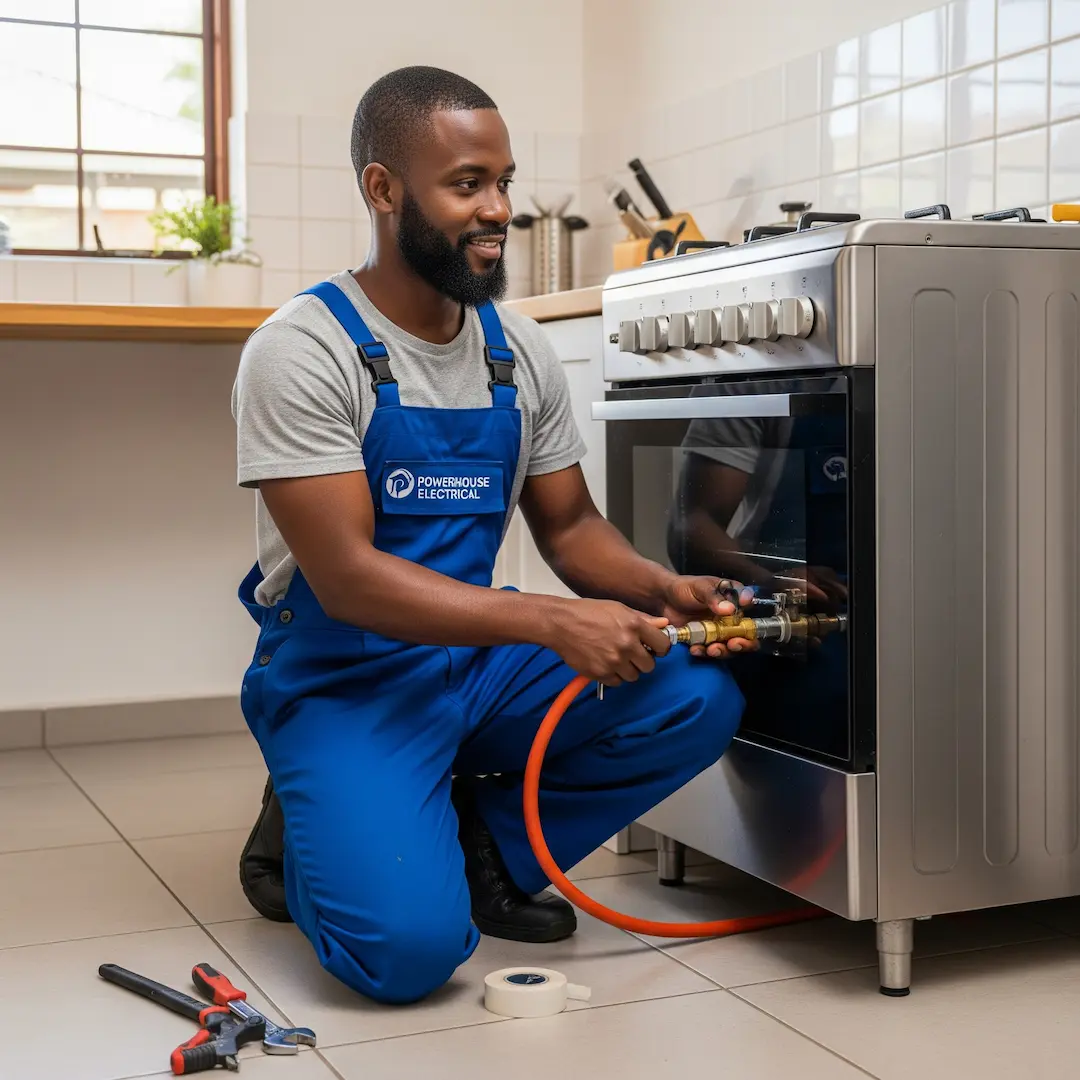
Your LPG Gas Stove is Repaired! Safety Checks & Maintenance Tips for SA Homeowners
LPG gas stove repaired? Learn vital post-repair safety checks and maintenance tips to keep your South African home safe, efficient, and worry-free - must-read advice for gas users.

Your LPG Gas Stove is Repaired! Safety Checks & Maintenance Tips for SA Homeowners
Having your LPG gas stove repaired brings back the convenience of cooking, but the journey doesn't end there. As homeowners in South Africa, ensuring the ongoing safety and efficiency of your gas appliance is paramount. This guide provides essential post-repair safety checks and maintenance tips, drawing on insights from seasoned gas appliance technicians across the country.
The Immediate Aftermath: Post-Repair Safety Checks
Once your gas stove repair is complete, it's natural to want to dive straight back into cooking. However, a few crucial checks can provide peace of mind and confirm everything is in perfect working order.
Checking for Gas Leaks: The Sniff Test and Beyond
The most immediate and critical check is for gas leaks. Our expert technicians often share stories of homeowners who, eager to use their newly fixed stove, overlook this vital step.
- The Sniff Test: LPG (liquefied petroleum gas) has a distinctive, pungent odour added to it, often described as rotten eggs or cabbage. This is a safety measure. Immediately after a repair, and regularly thereafter, do a quick sniff test around the stove, the gas cylinder, and the connecting pipes. If you detect even a faint smell of gas, it's a red flag.
- The Soap Bubble Test (If you suspect a leak): While your repair technician should have performed this, it's a handy trick for homeowners. Mix a solution of dish soap and water until it's very sudsy. With the gas supply on (but the stove off), brush or spray the solution over all connections, joints, and the gas hose. If bubbles form and grow, you have a leak. Turn off the gas supply immediately and contact a qualified gas technician.
- Listen Carefully: Sometimes, a small leak might produce a faint hissing sound. In a quiet kitchen, listen closely around the connections and the stove itself.
Remember, if you ever suspect a gas leak, turn off the gas supply at the cylinder or main valve immediately, open windows and doors for ventilation, extinguish all open flames, and do not operate any electrical switches. Then, call a qualified and registered gas installer without delay.
Functionality Test: Burners, Oven, and Ignition
After ensuring no leaks, it's time to test the functionality of your stove.
- Burner Ignition: Turn on each burner one by one. Does it ignite quickly and consistently? The flame should be blue with a small, stable inner cone. Yellow or orange flames, or a flickering flame, can indicate an issue with the gas-air mixture, which your technician should have adjusted.
- Flame Appearance: As mentioned, a healthy LPG flame is blue. A yellow or orange flame signifies incomplete combustion, which can lead to soot build-up, reduced efficiency, and potentially produce carbon monoxide. If you notice persistent yellow flames, contact your technician.
- Oven (if applicable): If your repair included the oven, test its ignition and heating. Does it reach the set temperature? Is the heat distributed evenly?
- Knob Operation: Ensure all control knobs turn smoothly and that you can adjust the flame height precisely. They should not feel stiff or loose.
Ongoing Maintenance for Longevity and Safety
A repair is an opportunity to reset your maintenance routine. Regular upkeep not only extends the life of your appliance but also reinforces safety.
Keeping Burners and Igniters Clean
One of the most common issues our service providers encounter is related to dirty burners. Spills, food debris, and grease can clog the burner ports, leading to uneven flames or ignition problems.
- Daily Wipe-Downs: After each use, wipe down the stovetop and burner grates. This prevents food from hardening and becoming difficult to remove.
- Regular Burner Cleaning: For a deeper clean, remove the burner caps and heads (when the stove is cool and gas supply is off). Wash them with warm, soapy water. For stubborn clogs, use a non-abrasive brush or a toothpick to clear the burner holes. Ensure they are completely dry before reassembling.
- Igniter Care: The igniter (the small ceramic pin that sparks) should also be kept clean. Gently wipe it with a damp cloth to remove any grime. Avoid harsh chemicals.
The Importance of Ventilation
Good ventilation is crucial when using any gas appliance. In South African homes, especially during colder months, we tend to keep windows closed, which can lead to a build-up of combustion by-products.
- Kitchen Ventilation: Always use an extractor fan if you have one, or open a window when cooking with your gas stove. This allows harmful gases, such as carbon monoxide, to dissipate and also prevents condensation and odours.
- Carbon Monoxide Detectors: While not mandatory for domestic LPG use in South Africa, installing a carbon monoxide detector is a highly recommended safety measure. These devices provide an early warning of this invisible, odourless, and potentially deadly gas.
Gas Hoses and Connections: A Visual Inspection
The gas hose and connections are often out of sight, out of mind, but they are critical components.
- Regular Visual Checks: Periodically inspect the gas hose for any signs of wear and tear, such as cracks, kinks, bulges, or brittleness. Also, check the clamps and connections to ensure they are secure and free from corrosion.
- Replacement Schedule: Gas hoses do not last forever. SANS 10087-1:2013 (the South African National Standard for the handling, storage, and distribution of LPG) recommends that gas hoses be replaced every 5 years, even if they appear to be in good condition. Look for the expiry date printed on the hose itself.
Understanding Warning Signs: When to Call the Pros
Even with diligent maintenance, issues can arise. Knowing the warning signs can help you act quickly and prevent minor problems from becoming major safety hazards.
- Persistent Gas Smell: This is the most critical warning sign. If you consistently smell gas, even faintly, after ventilation and checking, it indicates a leak. Turn off the gas and call a professional immediately.
- Yellow or Orange Flames: As discussed, this is a sign of incomplete combustion. It could be due to dirty burners, incorrect gas pressure, or an issue with the air intake.
- Soot Build-up: If you notice black soot developing on your pots and pans, or on the stove itself, it's a strong indicator of incomplete combustion and an issue with the flame.
- Difficulty Igniting: If burners are consistently difficult to light or require multiple attempts, it could be a sign of a faulty igniter, clogged burner ports, or issues with the gas supply.
- Unusual Noises: Hissing, popping, or whistling sounds coming from the stove or gas connections are not normal and warrant immediate investigation by a technician.
- Pilot Light Issues (if applicable): For older models with a standing pilot light, if it frequently goes out, or if the flame is weak and yellow, it's a sign that something is amiss.
The Value of Professional Servicing
While DIY checks and cleaning are important, they don't replace the expertise of a qualified gas technician. Many of our trusted service providers recommend an annual check-up, especially for older appliances or those in frequent use. During a professional service, the technician will:
- Inspect all components for wear and tear.
- Check for gas leaks with specialised equipment.
- Clean and adjust burners for optimal performance.
- Verify gas pressure and ventilation.
- Ensure all safety features are functioning correctly.
- Provide a safety certificate if applicable.
Investing in regular professional servicing ensures your LPG gas stove operates safely and efficiently, giving you peace of mind and extending the life of your appliance. After all, a properly maintained gas stove is a reliable and safe cooking companion for your South African home.
Frequently Asked Questions
How often should I clean my LPG gas stove burners?
It's a good practice to wipe down your burners after each use to prevent food build-up. For a deeper clean of the burner caps and heads, aiming for once a month, or more frequently if you cook often and have spills, is recommended.
Can I use any cleaning product on my gas stove?
For general cleaning, warm, soapy water is usually sufficient. Avoid harsh abrasive cleaners, steel wool, or scouring pads on stainless steel or enamel surfaces, as these can scratch and damage the finish. Always check the manufacturer's recommendations for specific cleaning agents.
What does a healthy LPG flame look like?
A healthy LPG flame should be predominantly blue, with a distinct, stable inner cone. There should be no yellow or orange tips, which indicate incomplete combustion. The flame should also be consistent and not flicker excessively.
Is it normal for my gas stove to make a small popping sound when I turn it off?
A very faint popping sound when you turn off a gas burner can be normal as the last bit of gas ignites before the supply cuts off. However, loud or unusual popping, hissing, or any other strange noises during operation or shutdown are not normal and should be investigated by a professional.
Find a vetted electrician near you
LPG gas appliance repair: find a pro near you
Suzette Meyer is the lead author and content creator for Kandua.com, South Africa’s #1 marketplace for home services. Suzette has made it her mission to help homeowners with advice on all aspects of home repair, maintenance and improvement, including how to choose the right Pro and how to make smart upgrades that improve your resale value or save costs.

Latest articles, advice and more
.webp)
.webp)
.webp)
.webp)
.jpeg)
Sinking Pavers, Weeds and Water That Pools: What Your Driveway Is Telling You
When your driveway starts sprouting weeds, pooling water, or sinking in patches, the bricks are not failing you. The layers underneath have moved, and they are trying to tell you exactly what went wrong.
.webp)
.webp)
Beyond the Unboxing: A Detailed Guide to Correct Washing Machine Plumbing & Setup
New washing machine in South Africa? Learn essential plumbing and setup tips to prevent leaks, ensure efficient operation, and extend your appliance’s lifespan - expert advice before your first load.
.webp)
New Washing Machine? Don't Plug It In Yet! Essential Installation Tips for SA Homes
Installing a new washing machine? Learn the essential setup steps South African homeowners often overlook to prevent leaks, noise, and damage—and ensure efficient, long-lasting performance from day one.
.webp)
.webp)
%25201200%2520x%25201200%2520(1).jpeg)
What Retiling a Bathroom Costs in 2026, Room by Room
Retiling a bathroom in South Africa costs between R230 and R800 per square metre in 2026, including materials and labour. A standard family bathroom, stripped and fully retiled, usually lands between R11,800 and R27,500. A guest toilet costs a fraction of that. A large porcelain en-suite costs a lot more.
How to Install a Horizontal Geyser | Step-by-Step Pro Guide
Want to install a geyser like a pro? This step-by-step tutorial shows you exactly how to do a horizontal Ariston Axios geyser installation, straight from the BluLever plumbing workshop. 🎥 Hosted by MK, BluLever’s technical facilitator, and supported by a qualified electrician, Life and a BluLever graduate artisan, Zinhle. This is your ultimate guide to a SANS 10254-compliant installation — from preparing the wall, to plumbing, electrical wiring, and pro troubleshooting tips.
How to Maintain a Geyser | Step-by-Step Pro Guide
Want to maintain a geyser like a pro? This step-by-step tutorial shows you exactly how to do the three core geyser maintenance checks on an Ariston Axios geyser installation, straight from the BluLever plumbing workshop. 🎥 Hosted by MK, BluLever’s technical facilitator, and supported by a qualified electrician, Life. This is your ultimate guide to geyser maintenance — from diagnosing the problem to checking the heat regulation of the geyser, to pressure regulation and then finally corrosion protection.
%201.avif)
Not just another newsletter. It's an advantage