
Beyond the Surface: Why a Drain Camera Inspection is Your Smartest Move for Stubborn Blockages in SA
Recurring drain blockages in South Africa? Discover why drain camera inspections reveal hidden pipe problems, eliminate guesswork, and deliver permanent solutions instead of temporary fixes.

Beyond the Surface: Why a Drain Camera Inspection is Your Smartest Move for Stubborn Blockages in SA
You’ve tried everything. The fizzy drain cleaners, the plunger, even that long, bendy wire you bought from the hardware store. The drain clears for a day, maybe a week, but the gurgling, slow-draining water inevitably returns. It’s a frustrating cycle that wastes your time, money, and patience. When a blockage just won’t quit, you’re no longer dealing with a simple clog; you’re fighting an unknown enemy hidden deep within your pipes.
This is where guesswork ends and precision begins. Instead of blindly attempting solutions, modern plumbing offers a way to see exactly what’s happening underground. A drain camera inspection isn’t just a fancy trick; it’s the most effective tool in a professional plumber’s arsenal for diagnosing and solving stubborn and recurring drain issues for good. It’s the difference between a temporary fix and a permanent solution.
What Exactly is a Drain Camera Inspection?
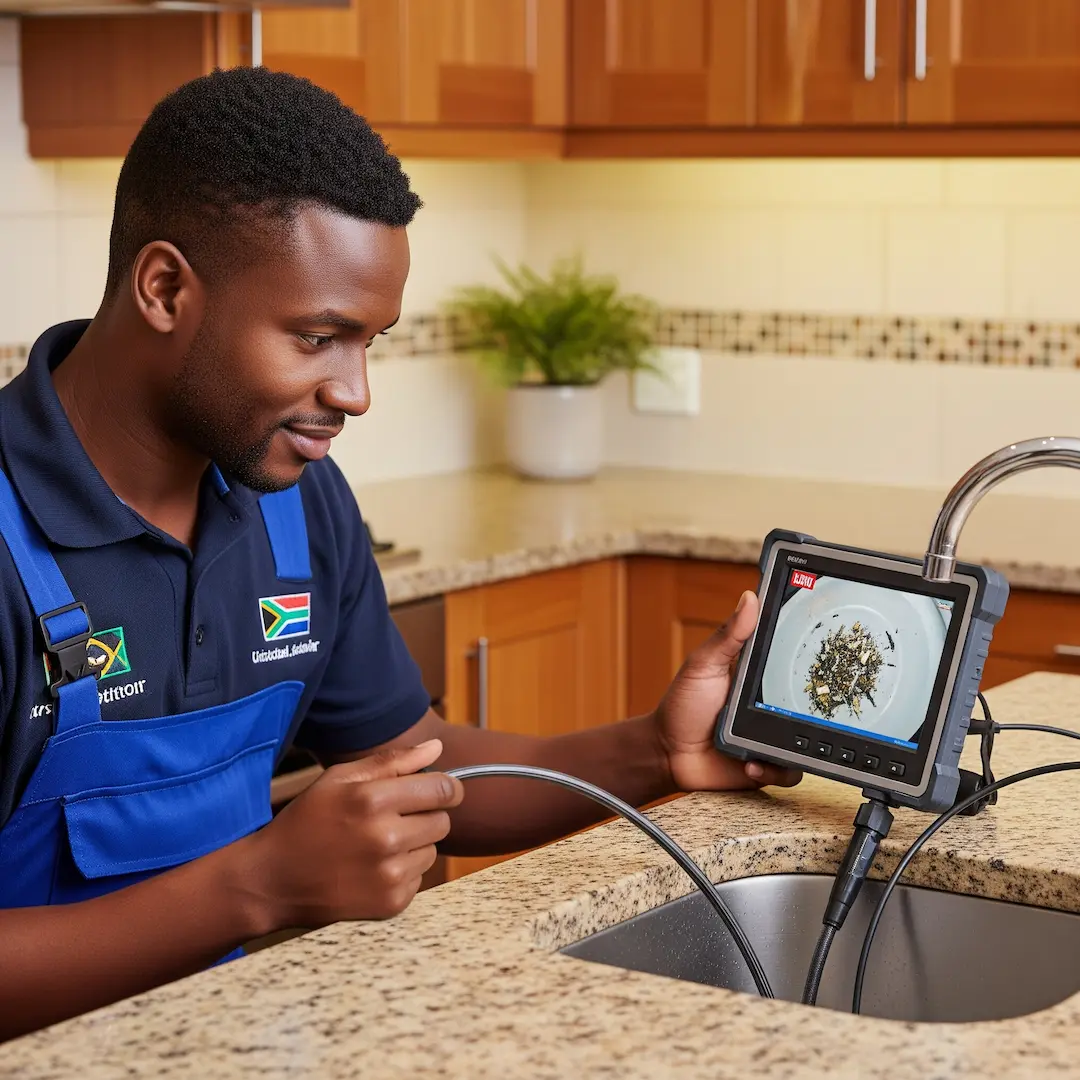
Imagine a high-definition, waterproof camera, small enough to navigate the twists and turns of your home’s plumbing system. This camera is attached to the end of a long, flexible fibre-optic cable. A qualified plumber will access your drainage system through a clean-out point and carefully feed the camera into the pipework.
As the camera travels through the drain, it transmits a live, clear video feed to a monitor. The plumber, and you, can watch in real-time as the camera reveals the exact condition of your pipes from the inside. It’s like getting a guided tour of your home’s plumbing arteries, exposing any and all secrets they might be hiding. The camera head also has a transmitter (a sonde) which allows the plumber to pinpoint its exact location and depth from above ground, taking all the guesswork out of locating the problem area.
The Undeniable Benefits of 'Seeing' the Problem
Opting for a camera inspection moves you from a position of uncertainty to one of control. Our network of seasoned plumbers consistently reports that once a homeowner sees the visual evidence on the screen, the path to a solution becomes crystal clear.
Pinpoint Accuracy: No More Guesswork
Without a camera, clearing a stubborn blockage is often based on an educated guess. A plumber might use a drain auger (or "snake") and assume the problem is solved when water starts flowing again. But what if the auger just poked a small hole through a larger mass of tree roots? The relief will be temporary.
A camera eliminates this ambiguity. It can tell you not only what the problem is, but precisely where it is located. Is it a single point of failure or a systemic issue? Is the blockage three metres from the kitchen sink or ten metres out in the garden? This precision is invaluable.
One of our plumbers in Johannesburg recently shared a story about a client in a complex who had recurring blockages in their ground-floor unit. For months, different handymen had tried snaking the drain with limited success. When our pro finally went in with a camera, they discovered a section of the pipe had "bellied" or sagged underground, creating a low point where waste water and solids were collecting. No amount of snaking would ever have fixed the underlying structural issue. Without the camera, they would have continued wasting money on temporary fixes.
Identifying the Real Culprit
A camera inspection reveals the true nature of the blockage, which is crucial for choosing the right repair method. Common issues we see in South African homes include:
- Tree Root Intrusion: Roots from large trees like jacarandas, ficus, or even your neighbour's large shrubbery are notorious for seeking out the moisture in sewer lines. They can force their way through tiny cracks, growing into a thick web that catches everything flowing down the drain.
- Collapsed or Cracked Pipes: Older homes, particularly those with earthenware or clay pipes, are susceptible to cracking and collapsing over time due to ground movement or pressure.
- "Fatbergs": A build-up of fats, oils, and grease (FOG) combined with other items like wet wipes and sanitary products can create solid, rock-like masses that are impossible to clear with chemicals.
- Foreign Objects: You would be amazed at what plumbers find in drains. We’ve heard of everything from children's toys and cutlery to construction debris accidentally washed down a line.
- Pipe Scale Build-up: In areas with hard water, mineral deposits can build up on the inside of pipes over years, narrowing the diameter and making blockages more likely.
Knowing whether you’re dealing with roots versus a collapsed pipe dictates a completely different approach to the repair.
Saving You Significant Time and Money
While a camera inspection has an upfront cost, it’s an investment that almost always saves you money in the long run. Think about it:
- No Unnecessary Digging: Before cameras, finding a break in an underground pipe often meant extensive and destructive trenching in your garden or even breaking through your foundation. With a camera, the plumber can pinpoint the exact spot, meaning a small, targeted excavation instead of a massive, costly one.
- Correct First-Time Fix: By accurately diagnosing the problem, you pay for the right solution once, instead of paying for multiple failed attempts with a drain snake or chemicals.
- Preventative Action: The camera might reveal early signs of trouble, like a small crack or minor root infiltration. Addressing this proactively is far cheaper than dealing with a full-blown pipe collapse and the potential water damage that comes with it.
Future-Proofing and Peace of Mind
A drain camera inspection isn’t just for finding existing problems. It’s an essential tool for due diligence.
- Pre-Purchase Home Inspections: Before you buy a new property, especially an older one, a drain inspection can save you from inheriting a nightmare. A clean bill of health for the plumbing system provides incredible peace of mind, while the discovery of a major issue gives you powerful leverage for negotiation.
- Planning Renovations: If you're planning a major kitchen or bathroom renovation, inspecting the drains first is a wise move. It ensures the existing pipes can handle the new fixtures and increased load, preventing a disaster after your beautiful new room is complete.
When is a Drain Camera Inspection Absolutely Essential?
While not needed for every minor clog, you should seriously consider calling a professional for a camera inspection if you experience any of the following:
- Recurring Blockages: If the same drain keeps blocking up every few weeks or months, there is an underlying issue that a plunger can't solve.
- Multiple Slow Drains: When sinks, showers, and toilets in different parts of your house start draining slowly at the same time, it often points to a problem in the main sewer line.
- Foul Odours: A persistent smell of sewage in or around your property is a red flag that there might be a break or crack in your sewer line.
- Unusually Green Patches in the Garden: A surprisingly lush or damp patch of lawn, especially during a dry spell, could indicate a leaking sewer line fertilising the grass from below.
- After a High-Pressure Water Jetting Service: Many professional plumbers recommend a follow-up camera inspection after hydro-jetting a line to confirm that all roots or debris have been successfully removed and to check the pipe's integrity.
Ultimately, a drain camera inspection provides undeniable proof. It moves the conversation from "I think the problem is..." to "I can see the problem is..." This clarity empowers you to make an informed, confident decision about the necessary repairs, ensuring your home’s drainage system works as it should for years to come.
Frequently Asked Questions
Does a drain camera inspection damage my pipes?
No, quite the opposite. The process is entirely safe and non-invasive. The camera head is designed to be smooth and manoeuvrable, and a skilled professional will navigate it carefully through the pipes. It's a diagnostic tool that helps prevent the damage that could be caused by unresolved blockages or incorrect repair methods.
How long does a typical drain inspection take?
For an average residential property, a thorough drain camera inspection usually takes between one and two hours. This can vary depending on the complexity of your drainage system, the number of access points, and what the camera discovers along the way.
Can the camera see through a complete blockage?
If the pipe is completely blocked with solid material, the camera's view will be obstructed. In such cases, a plumber will often need to use a tool like a drain auger or a hydro-jetter to create an opening first. Once a channel is cleared, they can then insert the camera to inspect the rest of the pipe and determine the original cause of the severe blockage.
What happens if the camera finds a serious problem like a collapsed pipe?
If the inspection reveals a major issue, the plumber will show you the footage and explain the findings in detail. They will pinpoint the exact location and depth of the problem using the camera's transmitter. From there, they will discuss the most effective and least invasive repair options with you, such as pipe relining (a trenchless repair method) or a targeted excavation and pipe replacement. You will be provided with a clear plan of action and an accurate quote for the necessary repairs.
Find a vetted plumber near you
Drain and sewer camera work: find a pro near you
- Drain and sewer camera work near you
- Drain and sewer camera work in Johannesburg
- Drain and sewer camera work in Sandton
- Drain and sewer camera work in Midrand
- Drain and sewer camera work in Roodepoort
- Drain and sewer camera work in Randburg
- Drain and sewer camera work in Pretoria
- Drain and sewer camera work in Cape Town
Suzette Meyer is the lead author and content creator for Kandua.com, South Africa’s #1 marketplace for home services. Suzette has made it her mission to help homeowners with advice on all aspects of home repair, maintenance and improvement, including how to choose the right Pro and how to make smart upgrades that improve your resale value or save costs.

Latest articles, advice and more
.webp)
.webp)
.webp)
.webp)
.jpeg)
Sinking Pavers, Weeds and Water That Pools: What Your Driveway Is Telling You
When your driveway starts sprouting weeds, pooling water, or sinking in patches, the bricks are not failing you. The layers underneath have moved, and they are trying to tell you exactly what went wrong.
.webp)
.webp)
Beyond the Unboxing: A Detailed Guide to Correct Washing Machine Plumbing & Setup
New washing machine in South Africa? Learn essential plumbing and setup tips to prevent leaks, ensure efficient operation, and extend your appliance’s lifespan - expert advice before your first load.
.webp)
New Washing Machine? Don't Plug It In Yet! Essential Installation Tips for SA Homes
Installing a new washing machine? Learn the essential setup steps South African homeowners often overlook to prevent leaks, noise, and damage—and ensure efficient, long-lasting performance from day one.
.webp)
.webp)
%25201200%2520x%25201200%2520(1).jpeg)
What Retiling a Bathroom Costs in 2026, Room by Room
Retiling a bathroom in South Africa costs between R230 and R800 per square metre in 2026, including materials and labour. A standard family bathroom, stripped and fully retiled, usually lands between R11,800 and R27,500. A guest toilet costs a fraction of that. A large porcelain en-suite costs a lot more.
How to Install a Horizontal Geyser | Step-by-Step Pro Guide
Want to install a geyser like a pro? This step-by-step tutorial shows you exactly how to do a horizontal Ariston Axios geyser installation, straight from the BluLever plumbing workshop. 🎥 Hosted by MK, BluLever’s technical facilitator, and supported by a qualified electrician, Life and a BluLever graduate artisan, Zinhle. This is your ultimate guide to a SANS 10254-compliant installation — from preparing the wall, to plumbing, electrical wiring, and pro troubleshooting tips.
How to Maintain a Geyser | Step-by-Step Pro Guide
Want to maintain a geyser like a pro? This step-by-step tutorial shows you exactly how to do the three core geyser maintenance checks on an Ariston Axios geyser installation, straight from the BluLever plumbing workshop. 🎥 Hosted by MK, BluLever’s technical facilitator, and supported by a qualified electrician, Life. This is your ultimate guide to geyser maintenance — from diagnosing the problem to checking the heat regulation of the geyser, to pressure regulation and then finally corrosion protection.
%201.avif)
Not just another newsletter. It's an advantage