
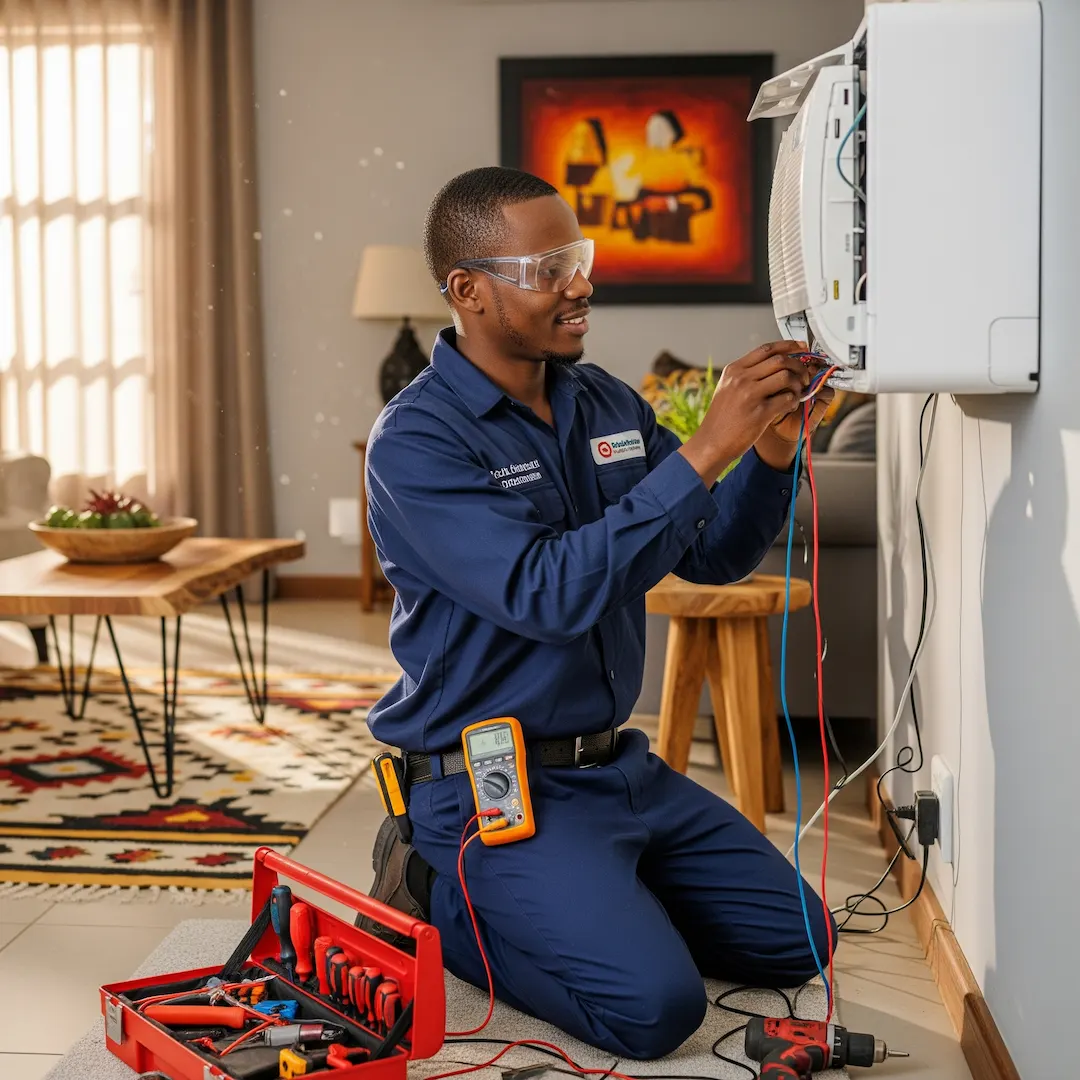
Aircon Installation in SA: Why Professional Setup Guarantees Optimal Cooling and Energy Efficiency
Installing a new aircon? Learn why professional installation in South Africa ensures optimal cooling, lower energy costs, longer unit lifespan, and avoids costly performance problems.

Aircon Installation in SA: Why Professional Setup Guarantees Optimal Cooling and Energy Efficiency
You’ve done the research, compared the brands, and finally chosen the perfect air conditioning unit to beat the South African heat. Whether you’re preparing for a sweltering Johannesburg summer, a humid Durban season, or just want to escape the dry heat of the Karoo, the final step is the most critical: the installation. It might be tempting to save a few Rands by attempting a DIY job or hiring the local handyman with a bakkie and a drill, but this decision can be the difference between years of blissful, efficient cooling and a series of frustrating problems.
Proper installation is not just about mounting a unit on the wall and plugging it in. It’s a technical process that directly impacts your aircon's performance, lifespan, and, most importantly, your monthly electricity bill. Let's break down why getting it done professionally is the only choice for savvy South African homeowners.
The Critical Difference: Professional vs. Amateur Installation
An air conditioner is a sophisticated piece of equipment. It’s a closed-loop system involving high-pressure refrigerants, delicate electronics, and specific electrical loads. When installed correctly, it runs like a dream. When it's not, the consequences can be costly and even dangerous.
One of our top-rated technicians in Pretoria recently shared a story that perfectly illustrates this. He was called out to a home where the owner had installed a brand-new, top-of-the-range inverter unit himself. The complaint? The aircon was blowing, but not cooling, and his electricity bill had skyrocketed. Upon inspection, the technician found the refrigerant lines had been improperly flared and connected, causing a slow leak of the refrigerant gas. Not only was the unit unable to cool the air, but the compressor was working overtime trying to compensate, consuming massive amounts of power. The homeowner’s attempt to save money on installation ended up costing him a refrigerant re-gas, a system repair, and two months of inflated electricity bills. This is a classic example of a small saving leading to a much larger expense.
What a Professional Installation Really Involves
Hiring a qualified technician isn’t just paying for labour; it’s paying for expertise that ensures every component of your system works in harmony. Here’s what a professional gets right:
1. Correct Sizing and Load Calculation
Before a single tool comes out, a professional assesses the room. They don’t just guess. They calculate the required British Thermal Units (BTUs) based on:
- Room size (length, width, and ceiling height)
- The number and size of windows
- The room's sun exposure (e.g., a north-facing room in SA gets more sun)
- Insulation quality
- The number of people who typically occupy the space
An undersized unit will run constantly without ever reaching the desired temperature, leading to premature wear and tear. An oversized unit will cool the room too quickly and switch off before it can effectively dehumidify the air, leaving you with a cold, clammy feeling.
2. Strategic Placement of Indoor and Outdoor Units
Where you put the units matters immensely.
- The Indoor Unit: A professional will place it where it can distribute air evenly throughout the room, avoiding blowing directly onto where people sit. They also ensure it’s mounted on a solid, vibration-free wall and has enough clearance for air intake and filter access.
- The Outdoor Unit (Condenser): This needs to be in a shaded, well-ventilated area to allow it to disperse heat effectively. Placing it in direct, baking sun or a tight, enclosed courtyard forces it to work harder, reducing efficiency. It also needs to be level and secure, often on a dedicated concrete slab or sturdy brackets, to minimise vibration and noise.
3. Flawless Refrigerant Line Connection and Vacuuming
This is perhaps the most technical and critical step. The copper pipes connecting the indoor and outdoor units must be cut, flared, and connected with precision to prevent leaks. After connecting the lines, a professional performs a crucial step called vacuuming. They use a vacuum pump to remove all air and moisture from the refrigerant lines before charging the system with refrigerant.
- Why is this essential? Moisture in the lines can mix with the refrigerant to form a corrosive acid, which can destroy the internal components of the compressor over time. Air left in the system creates extra pressure, making the aircon inefficient and unable to cool properly. This is a step that amateurs almost always skip.
4. Expert Electrical Wiring
An air conditioner is a high-power appliance. It can't just be plugged into any old wall socket. A professional electrician or qualified aircon installer ensures:
- The unit is connected to a dedicated circuit with the correctly rated circuit breaker to handle the load.
- The wiring gauge is appropriate for the current draw, preventing overheating and fire hazards.
- In South Africa, any new, dedicated electrical circuit requires a Certificate of Compliance (CoC) to be issued by a registered electrician. This is a legal requirement that verifies the installation is safe and compliant with SANS 10142-1 regulations. A DIY or uncertified installation will not have a CoC, which can have implications for your home insurance.
How Professional Installation Impacts Your Wallet and Comfort
Getting the installation right from day one translates into tangible, long-term benefits.
- Guaranteed Energy Efficiency: When the unit is correctly sized, properly charged with refrigerant, and all components are working in sync, it uses the least amount of electricity possible to cool your home. This is especially important with rising electricity costs and load shedding schedules. An efficient unit cools your home faster when the power is on.
- Optimal Cooling Performance: You get the full cooling power you paid for. The air is cool, dry, and comfortable, creating a true refuge from the heat.
- Longer Unit Lifespan: A system that doesn't have to struggle against poor installation will last longer. The compressor, the heart of the aircon, is protected from the strain caused by refrigerant leaks, incorrect pressure, or electrical issues.
- Protecting Your Warranty: Virtually all air conditioner manufacturers state that their warranty is void if the unit is not installed by a qualified or accredited installer. If something goes wrong with a DIY-installed unit, the manufacturer is not obligated to repair or replace it, leaving you to foot the entire bill.
The Final Verdict: Don't Compromise on Installation
While the initial cost of professional installation may seem higher, it's an investment in performance, safety, and peace of mind. You're ensuring your air conditioner runs efficiently for years to come, keeping your home comfortable and your electricity bills in check. Trying to cut this corner is a gamble that rarely pays off, often leading to bigger headaches and higher costs down the line. Trust the experts to do it right the first time.
Frequently Asked Questions (FAQs)
How can I tell if my newly installed aircon is working efficiently?
A well-installed and efficient air conditioner should cool your room to the set temperature relatively quickly. The air coming out should feel significantly colder than the ambient room air. Listen for the sound; it should be a consistent, low hum. The outdoor unit should cycle on and off as it maintains the temperature, rather than running continuously. Finally, you shouldn't see a sudden, dramatic spike in your electricity usage that seems disproportionate to its use.
Is it normal for a new air conditioner to drip water?
Yes, it is normal for the indoor unit to produce condensation and drip water. This is part of the dehumidification process. This water should be channelled away neatly through a drainpipe to the outside. You should not see water dripping down your interior wall. The outdoor unit may also drip water, which is also normal. Excessive icing on either unit, however, could be a sign of a problem like low refrigerant or poor airflow.
What are those clicking or hissing noises my new aircon is making?
Minor noises are often a normal part of operation. A soft clicking sound when the unit starts or stops is usually the thermostat or relays activating. A faint hissing or gurgling sound for a few moments after you turn the unit on or off can be the refrigerant equalising pressure within the system. However, loud or persistent banging, grinding, or squealing noises are not normal and indicate a potential mechanical problem.
How soon after installation can I use my new air conditioner?
In most cases, you can use your air conditioner immediately after the installation is complete. The technician will typically turn it on and test it as the final step of the process to ensure everything is working correctly. They will check the temperature differential, listen for odd noises, and confirm that it's cooling as expected before they leave.
Find a vetted electrician near you
Aircon installation: find a pro near you
Suzette Meyer is the lead author and content creator for Kandua.com, South Africa’s #1 marketplace for home services. Suzette has made it her mission to help homeowners with advice on all aspects of home repair, maintenance and improvement, including how to choose the right Pro and how to make smart upgrades that improve your resale value or save costs.

Latest articles, advice and more
.webp)
.webp)
.webp)
.webp)
.jpeg)
Sinking Pavers, Weeds and Water That Pools: What Your Driveway Is Telling You
When your driveway starts sprouting weeds, pooling water, or sinking in patches, the bricks are not failing you. The layers underneath have moved, and they are trying to tell you exactly what went wrong.
.webp)
.webp)
Beyond the Unboxing: A Detailed Guide to Correct Washing Machine Plumbing & Setup
New washing machine in South Africa? Learn essential plumbing and setup tips to prevent leaks, ensure efficient operation, and extend your appliance’s lifespan - expert advice before your first load.
.webp)
New Washing Machine? Don't Plug It In Yet! Essential Installation Tips for SA Homes
Installing a new washing machine? Learn the essential setup steps South African homeowners often overlook to prevent leaks, noise, and damage—and ensure efficient, long-lasting performance from day one.
.webp)
.webp)
%25201200%2520x%25201200%2520(1).jpeg)
What Retiling a Bathroom Costs in 2026, Room by Room
Retiling a bathroom in South Africa costs between R230 and R800 per square metre in 2026, including materials and labour. A standard family bathroom, stripped and fully retiled, usually lands between R11,800 and R27,500. A guest toilet costs a fraction of that. A large porcelain en-suite costs a lot more.
How to Install a Horizontal Geyser | Step-by-Step Pro Guide
Want to install a geyser like a pro? This step-by-step tutorial shows you exactly how to do a horizontal Ariston Axios geyser installation, straight from the BluLever plumbing workshop. 🎥 Hosted by MK, BluLever’s technical facilitator, and supported by a qualified electrician, Life and a BluLever graduate artisan, Zinhle. This is your ultimate guide to a SANS 10254-compliant installation — from preparing the wall, to plumbing, electrical wiring, and pro troubleshooting tips.
How to Maintain a Geyser | Step-by-Step Pro Guide
Want to maintain a geyser like a pro? This step-by-step tutorial shows you exactly how to do the three core geyser maintenance checks on an Ariston Axios geyser installation, straight from the BluLever plumbing workshop. 🎥 Hosted by MK, BluLever’s technical facilitator, and supported by a qualified electrician, Life. This is your ultimate guide to geyser maintenance — from diagnosing the problem to checking the heat regulation of the geyser, to pressure regulation and then finally corrosion protection.
%201.avif)
Not just another newsletter. It's an advantage