
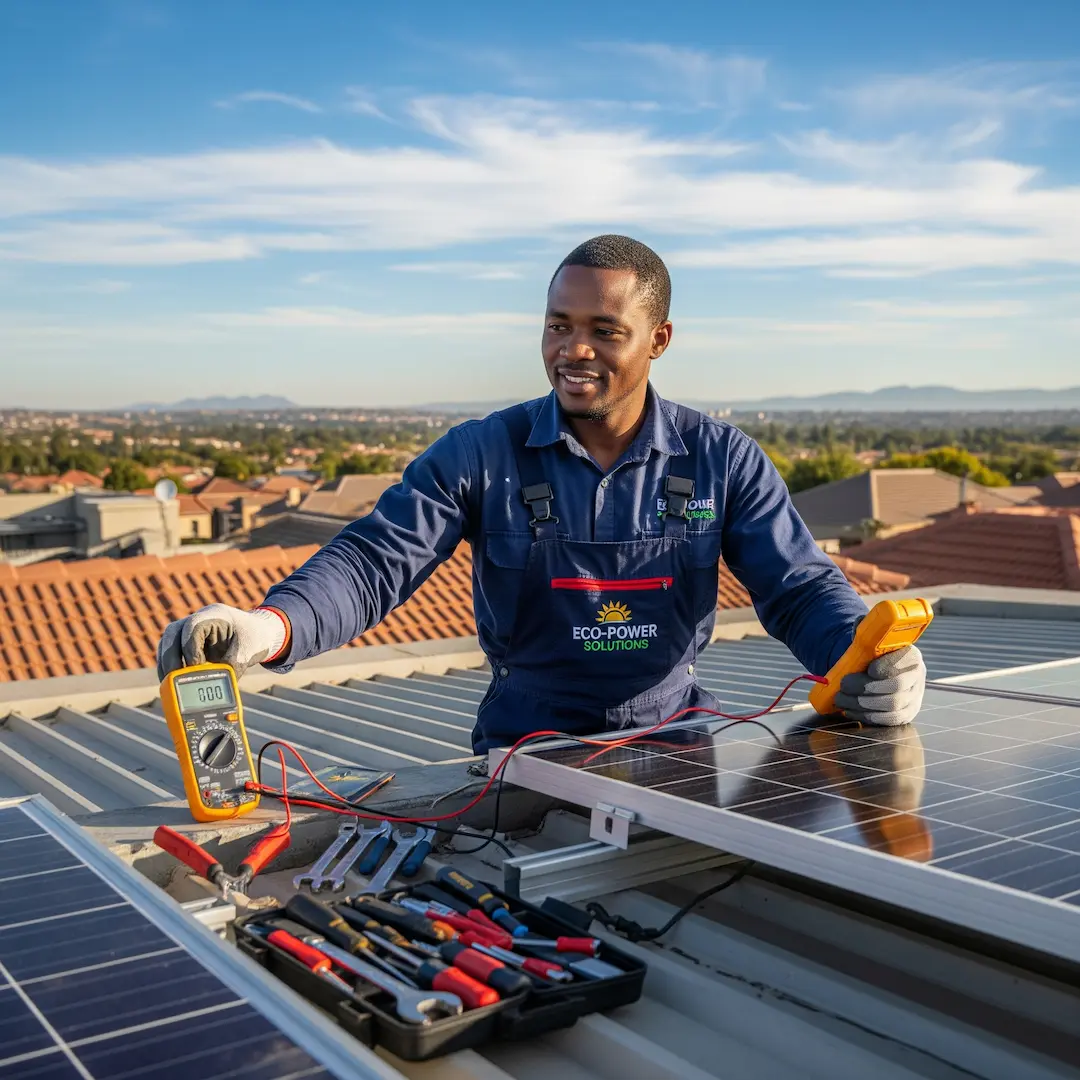
Is Your Solar System Underperforming? Common Issues & Signs You Need a Solar Repair in SA
Solar system underperforming in South Africa? Learn the common issues, warning signs, and when to book a professional solar repair to restore efficiency and maximise your energy savings.

Is Your Solar System Underperforming? Common Issues & Signs You Need a Solar Repair in SA
It's a fantastic feeling, isn't it? Waking up knowing your home is powered by the South African sun, reducing your reliance on the grid and saving you money. But what happens when that feeling starts to fade? When your electricity bill creeps up, or your monitoring app shows a dip in production? An underperforming solar system can be frustrating, especially when you're not sure what's going on.
From the expert solar installers we work with across South Africa, we've gathered insights into the most common culprits behind a solar system that's not pulling its weight. Understanding these issues can help you identify if your system needs a check-up and what signs to look out for.
Understanding Solar System Performance
A well-functioning solar system should consistently generate a predictable amount of electricity based on factors like panel size, sunlight exposure, and system age. When you notice a significant drop in this output, it's a clear red flag. Many homeowners first spot this when their inverter displays an error code, or their energy monitoring system shows lower-than-usual daily production.
One expert installer recently shared a story about a client in Durban who noticed their energy bill was unexpectedly high. When they checked their monitoring app, they saw a consistent drop in output over a few weeks. It turned out to be a combination of dirty panels and a minor inverter fault that was easily rectified once identified. This highlights the importance of regular monitoring and knowing what to look for.
Common Issues That Lead to Underperformance
Solar systems are robust, but like any technology, they can encounter issues. Here are some of the most frequent problems that can cause your system to underperform:
Dirty Solar Panels
It might sound simple, but dust, grime, bird droppings, and even pollen can significantly reduce the efficiency of your solar panels. These layers act like a shade, preventing sunlight from reaching the photovoltaic cells effectively.
- Signs: A noticeable drop in energy production, especially after a long dry spell or if you live in an area with high pollution or many trees. The panels might visually appear dirty.
- Expert Insight: Our professionals often see instances where a good clean can boost system output by 10-20%. It’s a bit like driving a car with a dirty windshield – you can still see, but not as clearly.
Inverter Faults
The inverter is the brain of your solar system, converting the DC electricity generated by your panels into AC electricity that your home can use. If the inverter isn't functioning correctly, your entire system's performance will suffer.
- Signs:No power production: The most obvious sign is a complete lack of energy being generated.
- Error codes: Most inverters have digital displays that show error codes. These codes are crucial for diagnosing the specific problem. Common codes might indicate grid connection issues, internal faults, or even over-voltage.
- Unusual noises: While inverters typically hum softly, loud buzzing, clicking, or grinding sounds can indicate a problem.
- Flickering lights or inconsistent power: If your power seems unstable, it could point to an inverter issue.
- Expert Insight: One of our trusted technicians in Pretoria recently dealt with an inverter that was constantly tripping. After diagnosis, they found a faulty component that was causing the unit to overheat. Replacing this part resolved the issue, preventing potential damage to the entire system. Always check your inverter’s display first – those error codes are your first clue!
Wiring and Connection Issues
Loose connections, damaged wiring, or corroded terminals can disrupt the flow of electricity from your panels to your inverter and into your home.
- Signs: Intermittent power production, partial system outages (where some panels are working but others aren't), or visual signs of damaged cables (fraying, chew marks from rodents, discolouration).
- Expert Insight: "You'd be surprised how often a critter decides a solar cable is a tasty snack," remarked one Cape Town installer. "Or sometimes, just the constant expansion and contraction from temperature changes can loosen a connection over years. A thorough inspection of all wiring is always part of our diagnostic process."
Panel Damage
While solar panels are built to withstand harsh weather, they can still be damaged by hail, falling branches, or even manufacturing defects.
- Signs: Visible cracks on the glass surface, discolouration (scorched marks or "snail trails"), delamination (where the layers of the panel separate), or hot spots (areas on the panel that are significantly hotter than the rest).
- Expert Insight: A solar panel expert recounted a case where a severe hailstorm in Johannesburg led to micro-cracks on several panels. These weren't immediately visible to the homeowner but caused a noticeable dip in performance over time as water ingress worsened the damage. Regular visual inspections are vital.
Shading Issues
Even partial shading on a single panel can drastically reduce the output of an entire string of panels, especially in older systems without optimisers or micro-inverters.
- Signs: Lower power output during specific times of the day, particularly if new trees have grown, or a new structure has been built nearby.
- Expert Insight: "Sometimes clients forget how much trees grow in a year," an experienced installer shared. "We once had a system underperforming, and it turned out a newly planted tree had just reached a height where its branches shaded a key panel for a few hours each afternoon. A quick trim was all that was needed."
Battery Issues (for systems with storage)
If you have a battery storage system, issues with the battery itself can affect your overall energy independence and how much grid power you draw.
- Signs: Your battery isn't charging fully, it's discharging too quickly, or your monitoring system shows inconsistent battery performance.
- Expert Insight: Battery lifespan varies, and improper charging or discharging cycles can reduce their efficiency over time. "Just like your phone battery eventually starts holding less charge, so too can a solar battery," an expert mentioned. "It's a gradual decline, but if it drops off suddenly, that's a red flag."
When to Call a Professional for Solar Repairs
While cleaning your panels yourself (safely!) can be a good first step, many solar system issues require the expertise of a qualified solar technician.
You should definitely call a professional if you notice any of the following:
- Persistent error codes on your inverter: These often point to internal electrical or technical faults.
- A sudden, significant drop in power production: This indicates a major fault that needs immediate attention.
- Visible damage to panels or wiring: Exposed wiring is a safety hazard, and damaged panels need assessment.
- Unusual noises or smells coming from your inverter or electrical components: These could indicate overheating or electrical arcing, which are serious fire risks.
- Your system isn't producing any power at all: This could be a critical system failure.
- You're uncomfortable or unsure about diagnosing the problem yourself: Electrical work can be dangerous.
Remember, attempting complex DIY repairs on a solar system can be incredibly dangerous and could void your warranty. Always prioritise your safety and the longevity of your investment. An experienced professional can quickly diagnose the problem using specialised tools and ensure repairs are done correctly and safely, adhering to South African electrical standards.
Preventative Maintenance Tips for Solar Homeowners
While some issues are unavoidable, regular maintenance can significantly extend the life and efficiency of your solar system.
- Regular Cleaning: Depending on your location, clean your panels every few months. Use a soft brush and water, ideally in the early morning or late afternoon when panels are cool. Always exercise extreme caution when working at heights.
- Visual Inspections: Periodically check your panels for any visible damage, cracks, or excessive dirt build-up. Look at your wiring for any signs of wear or critter damage.
- Monitor Your System: Get familiar with your inverter's display and your monitoring app. Check it regularly for any error codes or unexpected drops in production. Early detection can prevent minor issues from becoming major problems.
- Keep Vegetation Trimmed: Ensure no trees or shrubs are growing to cast shade on your panels, especially during peak sunlight hours.
By understanding the common signs of solar system underperformance and taking proactive steps, you can help ensure your investment continues to provide clean, reliable energy for years to come.
Frequently Asked Questions
How long do solar panels typically last in South Africa?
Solar panels are designed to be durable and generally have a lifespan of 25 to 30 years or more. Their power output gradually degrades over time, typically by less than 1% per year. The inverter usually has a shorter lifespan, often between 10 and 15 years, and may need replacement sooner than the panels.
What does an inverter fault code mean?
An inverter fault code is a specific alphanumeric display on your solar inverter that indicates a particular problem the inverter has detected. These codes vary by manufacturer, but they usually point to issues like grid connection problems, internal component failures, over-voltage, or under-voltage. Consulting your inverter's manual will provide a detailed explanation for each code.
Can I clean my solar panels myself?
Yes, you can clean your solar panels yourself, but caution is advised. Use a soft brush or a squeegee with plain water or a mild, non-abrasive cleaning solution. Avoid using harsh chemicals or high-pressure washers, which can damage the panels. It's safest to clean them in the early morning or late afternoon when the panels are cool. If your panels are on a high or steeply pitched roof, it's highly recommended to hire a professional for safety reasons.
How often should a solar system be serviced by a professional?
It's generally recommended to have your solar system professionally inspected and serviced at least once every one to three years. This regular maintenance can help identify potential issues early, ensure all components are functioning optimally, and keep your system running efficiently, thereby extending its lifespan and maximising your energy production.
Suzette Meyer is the lead author and content creator for Kandua.com, South Africa’s #1 marketplace for home services. Suzette has made it her mission to help homeowners with advice on all aspects of home repair, maintenance and improvement, including how to choose the right Pro and how to make smart upgrades that improve your resale value or save costs.

Related articles, advice and more
.webp)
How to Check If an Electrician Is Registered with ECB
The Electrical Conformance Board of South Africa (ECB) serves as a vital gatekeeper in this industry. If you are in the middle of a renovation or just need a new DB board installed, knowing how to verify your electrician’s registration is the most important step you can take.
What to Do If You Smell Burning from an Electrical Outlet
For South African homeowners, electrical faults are a leading cause of house fires. Whether it is caused by old wiring in heritage homes in suburbs like Melville or Observatory, or the strain placed on systems by post-load shedding surges, knowing exactly how to react can save your property and your life.This guide details the immediate steps you must take, the likely causes of the smell, and what to expect when you call in a professional.
.webp)
.webp)
.webp)
Your Inverter is Repaired! Key Checks to Ensure Continued Backup Power in SA
This guide will walk you through the essential checks and maintenance tips to maximise the lifespan and efficiency of your recently repaired inverter and battery setup, straight from the insights of experienced electricians across South Africa.
.webp)
.webp)
.webp)
Latest articles, advice and more
.webp)
How To Fix A Damp Wall And What's Actually Causing It
If your walls are weeping, your plaster is flaking, or you can smell that musty, damp smell, you're not dealing with one problem; you're dealing with three possible ones. The fix depends entirely on the cause.
.webp)
Gutter Cleaning: How Often Should You Do It and What Does It Cost?
Clean your gutters at least twice a year, and always before your rainy season kicks in. In South Africa, a professional gutter clean usually costs somewhere between R450 and R2,500, depending on the size of your home, how high the roof is, and how blocked things have become. Here is how to work out the right frequency and a fair price.
.webp)
Why Are My Plug Points Not Working? A Troubleshooting Guide
If your plug points have suddenly gone dead, the usual culprits are a tripped earth leakage switch, a tripped circuit breaker, loose or burnt wiring, or a faulty appliance overloading the circuit. Work through the safety checks below before you call anyone, then understand when the job requires a registered electrician.
.webp)
How a Geyser Timer Can Cut Your Electricity Bill
If you've been staring at your Eskom bill and wondering where the money is going, your geyser might be the culprit. Here's the good news: a simple geyser timer can cut your hot water costs by up to 30% each month, which typically saves South African homeowners between R200 and R400 on their electricity bills, depending on their current usage.
%20(1).webp)
How To Treat and Paint Over Damp Walls (So It Doesn't Come Back)
You've noticed a patch on the bedroom wall: discoloured and maybe a bit soft to the touch, and you're wondering if a fresh coat of paint will simply cover the problem. The short answer: no, it won't. But the good news is that understanding what's happening beneath that stain, and treating it properly, is far simpler than you might think.
.webp)
Beyond the Unboxing: A Detailed Guide to Correct Washing Machine Plumbing & Setup
New washing machine in South Africa? Learn essential plumbing and setup tips to prevent leaks, ensure efficient operation, and extend your appliance’s lifespan - expert advice before your first load.
.webp)
New Washing Machine? Don't Plug It In Yet! Essential Installation Tips for SA Homes
Installing a new washing machine? Learn the essential setup steps South African homeowners often overlook to prevent leaks, noise, and damage—and ensure efficient, long-lasting performance from day one.
%20(1).webp)
.webp)
TV Repair Costs in South Africa: Diagnosing Screen, Power & Component Issues
Find out what TV repairs really cost in South Africa – from call-out and diagnosis fees to screen, power and main board fixes – and when it’s cheaper to replace your TV instead of repairing it.
.webp)
Septic Tank Leak Repair Cost in South Africa: Addressing Odours & Environmental Hazards
Learn typical septic tank leak repair costs in South Africa, what drives the price up, how to spot early warning signs (odours, soggy ground, backups), and when it’s safer and cheaper to get a professional in.
How to Install a Horizontal Geyser | Step-by-Step Pro Guide
Want to install a geyser like a pro? This step-by-step tutorial shows you exactly how to do a horizontal Ariston Axios geyser installation, straight from the BluLever plumbing workshop. 🎥 Hosted by MK, BluLever’s technical facilitator, and supported by a qualified electrician, Life and a BluLever graduate artisan, Zinhle. This is your ultimate guide to a SANS 10254-compliant installation — from preparing the wall, to plumbing, electrical wiring, and pro troubleshooting tips.
How to Maintain a Geyser | Step-by-Step Pro Guide
Want to maintain a geyser like a pro? This step-by-step tutorial shows you exactly how to do the three core geyser maintenance checks on an Ariston Axios geyser installation, straight from the BluLever plumbing workshop. 🎥 Hosted by MK, BluLever’s technical facilitator, and supported by a qualified electrician, Life. This is your ultimate guide to geyser maintenance — from diagnosing the problem to checking the heat regulation of the geyser, to pressure regulation and then finally corrosion protection.
%201.avif)
Not just another newsletter. It's an advantage


From problem to solved.


.svg)


.avif)
.avif)
.avif)


.avif)