
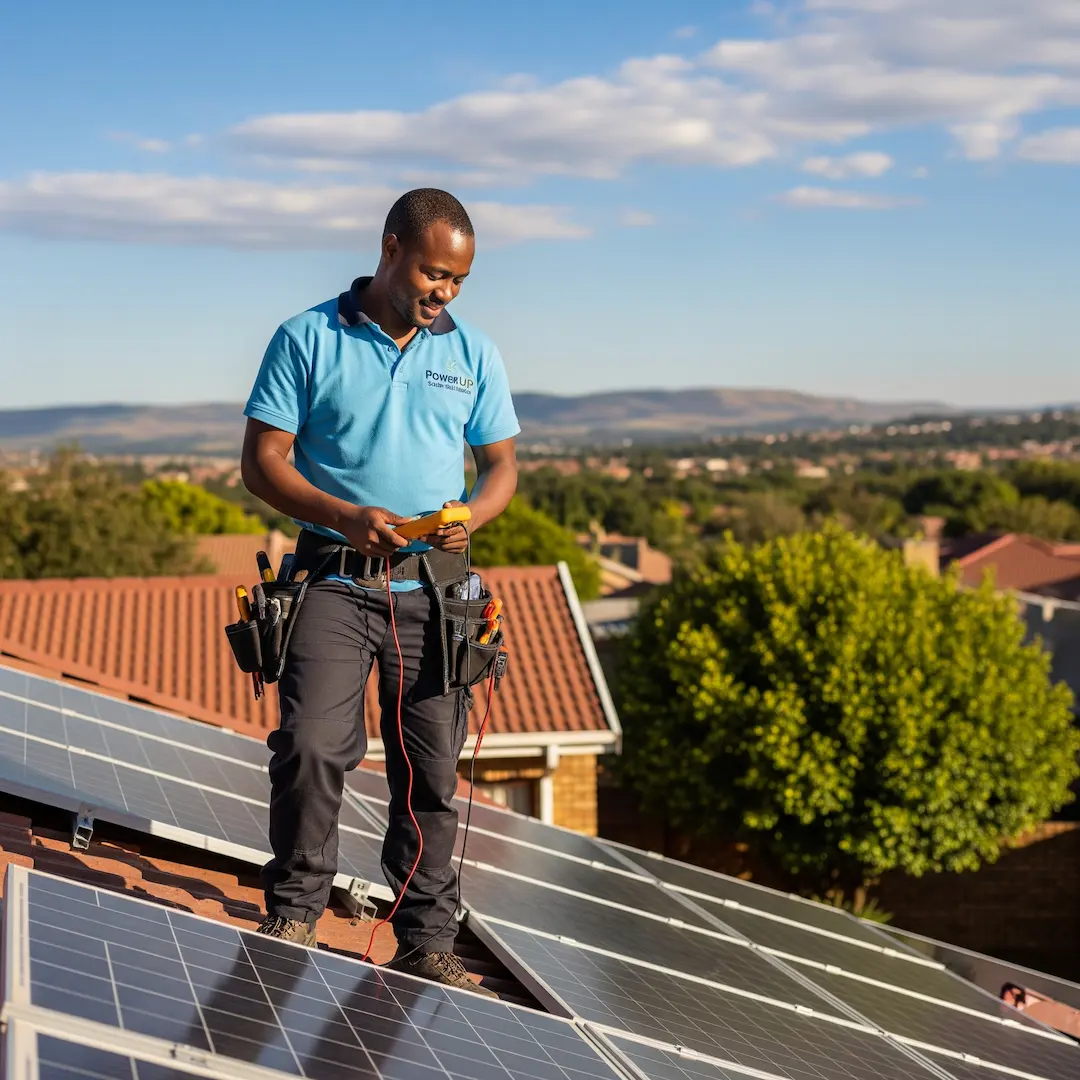
Solar System Underperforming? Why Specialised Repair Expertise is Key to Your Energy Investment in SA
Solar system underperforming? Learn why specialised solar repair expertise is essential in South Africa to restore performance, protect your investment, and avoid costly misdiagnosis or damage.

Solar System Underperforming? Why Specialised Repair Expertise is Key to Your Energy Investment in SA
You invested in a solar power system for a reason. Whether it was to escape the endless cycle of loadshedding, to reduce your monthly electricity bill, or to make a greener choice for your family, that system on your roof represents a significant financial and emotional investment in energy independence.
So, when it starts underperforming—or worse, stops working altogether—it’s more than just an inconvenience. It’s a threat to that investment. Your first instinct might be to call your trusted local electrician. But when it comes to the intricate world of solar PV (photovoltaic) systems, this might not be the best course of action.
Your solar system is a sophisticated power plant in miniature. Getting it back to peak performance requires more than general electrical knowledge; it demands specialised expertise. Here’s why choosing a qualified solar repair technician is crucial to protecting your system, your home, and your wallet.
Why Your Solar System is More Than Just Wires and Panels
It’s easy to look at a solar installation and see two main things: panels on the roof and an inverter box on the wall. In reality, it's a complex, interconnected ecosystem where every component must work in perfect harmony.
A typical residential solar system in South Africa includes:
- Solar Panels (PV Modules): These don't just generate electricity; they do so by converting sunlight into Direct Current (DC) power. They are often wired together in "strings" where the performance of one panel can affect the entire series.
- The Inverter: This is the brain of your entire operation. It converts the DC power from your panels into the Alternating Current (AC) that your home appliances use. It also manages power flow, optimises panel performance (through MPPTs - Maximum Power Point Trackers), and interfaces with your battery and the grid.
- Batteries: If you have a hybrid or off-grid system, your battery is its heart. It stores excess energy for use during loadshedding or at night. This involves a sophisticated Battery Management System (BMS) that controls charging and discharging to preserve the battery's health and lifespan.
- Wiring, Isolators, and Mounting: This is the nervous system that connects everything. It includes specialised DC cabling, DC isolator switches for safety, and secure mounting structures that must withstand the harsh South African sun and weather for decades.
A fault in any one of these areas can cause a drop in performance or a total system shutdown. Finding the root cause requires understanding how they all work together.
The General Electrician vs. The Solar PV Specialist: What's the Difference?
This is the most critical distinction a homeowner can make. While both are skilled professionals, their areas of expertise are fundamentally different.
A general electrician is a master of your home's conventional AC electrical system. Their expertise, governed by the SANS 10142-1 regulations, covers your distribution board (DB board), plugs, lighting, and appliance wiring. They are essential for household safety and functionality. However, most of their work deals with AC power.
A specialised solar technician, on the other hand, possesses all the foundational knowledge of an electrician plus extensive, specific training in solar PV systems.
Key differences in their expertise include:
- DC Power Expertise: Solar systems operate with high-voltage DC power between the panels and the inverter. This behaves very differently from AC and has unique safety requirements. A solar specialist knows how to work with DC safely and diagnose issues specific to it.
- Component-Specific Knowledge: They understand the nuances of different inverter brands (like Victron, Sunsynk, or Fronius), various battery chemistries (like Lithium-ion vs. Lead-Acid), and the potential failure points of PV panels (like micro-cracks, delamination, or Potential Induced Degradation).
- System Configuration: Solar specialists are trained to understand and optimise the complex settings within your inverter. Incorrect settings for battery charging, for example, can drastically shorten the lifespan of a battery bank worth tens of thousands of Rands.
- Specialised Diagnostic Tools: While a general electrician uses a multimeter, a solar technician’s toolkit often includes thermal imaging cameras to detect "hotspots" on panels, and IV curve tracers to measure the exact performance of a panel string against its specifications.
Think of it this way: you trust your GP for your general health, but for a complex heart issue, you’d want a cardiologist. A solar PV specialist is the cardiologist for your home's energy system.
Real-World Scenarios: When a Specialist Makes All the Difference
Our network of vetted pros constantly shares stories that highlight this difference. These are not just theoretical problems; they are real situations that homeowners across South Africa face.
- The Case of the Mysterious Performance Drop: A homeowner in Johannesburg noticed their system's daily generation had dropped by nearly 40%, even on clear, sunny days. A general electrician checked the wiring and the DB board and found nothing wrong, suggesting the inverter might be faulty. A solar specialist was called for a second opinion. Using a thermal camera, they scanned the panels during peak sun and immediately identified a single panel with a significant "hotspot"—a sign of an internal fault. This one faulty panel was dragging down the performance of its entire string. The specialist replaced the single panel, and the system's output immediately returned to 100%. The inverter was fine; the problem required a specific diagnostic tool and knowledge of panel failures.
- The Inverter That Kept Tripping: In a Cape Town home, the inverter would trip and reset itself every day around midday. The initial diagnosis from a non-specialist was that grid instability was to blame. A solar technician investigated further. They analysed the system's design and realised that on cold, sunny winter days, the voltage from the panel array was exceeding the inverter's maximum input limit, causing a protective shutdown. This is a common issue when a system isn't designed with local temperature extremes in mind. The specialist reconfigured the panel strings to lower the overall voltage, permanently solving the problem without replacing any expensive components.
- The Battery That Died an Early Death: A family in Durban was devastated when their R80,000 battery bank had lost most of its capacity in just three years. They were told it was simply "wear and tear." A solar expert, however, immediately asked to see the inverter's settings. They discovered the battery charge parameters had been left on the factory default and were not correctly configured for the specific lithium-ion battery model installed. The battery was being consistently overcharged, causing rapid degradation. While the damage was done, the specialist correctly configured the system for the replacement battery, ensuring the homeowner's new investment would last its expected 10-15 year lifespan.
The Risks of Getting it Wrong: More Than Just Lost Kilowatts
Hiring an unqualified person for solar repairs isn’t just inefficient—it can be dangerous and costly.
- Safety Hazards: High-voltage DC electricity is a serious fire risk if not handled correctly. Improper wiring or faulty components can lead to arc faults, which are a leading cause of solar-related fires.
- Voided Warranties: Virtually all reputable inverter, panel, and battery manufacturers state in their warranty terms that installation and repairs must be carried out by a qualified or certified technician. Using an unqualified person can instantly void a warranty worth thousands of Rands.
- Further System Damage: An incorrect diagnosis can lead to a cascade of problems. "Fixing" a non-existent inverter problem could involve changing settings that then damage your batteries.
- Poor Return on Investment: Ultimately, a poorly repaired and maintained system will fail to deliver the energy savings you expect, drastically reducing its lifespan and destroying the financial return on your investment.
Your solar system is an asset. Protecting it means entrusting it to someone who understands every facet of its operation.
What to Look For in a Solar Repair Professional
When you're in the process of choosing someone to fix your system, don't be afraid to ask questions. A true professional will be happy to demonstrate their expertise.
- Qualifications: Ask if they have a specific solar qualification, such as the SAPVIA PV GreenCard. This is a widely recognised certification in South Africa that proves they have been assessed on quality and safety standards for solar installations.
- Relevant Experience: Ask them about their experience with your specific problem or your brand of inverter/battery. "Have you worked on a Sunsynk inverter with this error code before?" is a great question.
- Diagnostic Approach: Ask them how they plan to diagnose the problem. A specialist will talk about checking panel strings, analysing inverter logs, and inspecting connections, not just "taking a look."
- References: Request to speak to one or two previous clients for whom they have done similar repair work.
Investing a little time to find the right expert will pay for itself by ensuring your system is repaired correctly, safely, and efficiently the first time.
Frequently Asked Questions (FAQs)
Can I repair a single broken solar panel, or do I need to replace the whole array?
In most cases, you only need to replace the single faulty or damaged panel. A qualified technician will ensure the replacement panel is electrically compatible with the others in the string (matching in terms of voltage and current) to maintain the performance of the whole system.
My inverter is showing a specific error code. Can I just look it up and fix it myself?
Looking up the error code in your inverter's manual is a great first step to understanding the potential issue. However, you should never attempt to fix it yourself unless you are a trained professional. The issue often involves high-voltage DC electricity and opening the inverter will void your warranty. The best course of action is to provide the error code to a qualified technician when you call them.
How often should my solar system be professionally maintained to prevent major repairs?
While you should perform basic cleaning of your panels yourself (if safe to do so), a full professional inspection is recommended every one to two years. A technician will check electrical connections, inspect for potential hazards, test performance, and ensure all components are functioning optimally, often catching small issues before they become major, expensive repairs.
Is a sudden drop in my solar system's output always a sign of a major fault?
Not always. The cause can sometimes be simple, such as a thick layer of Highveld dust on the panels after a long dry spell, new shading from a neighbour's recently built wall or a fast-growing tree, or a few days of unexpectedly overcast weather. Always check for and resolve these simple issues first. However, if the drop in performance persists after cleaning and in clear weather, it's a strong indicator that you need a professional inspection.
Suzette Meyer is the lead author and content creator for Kandua.com, South Africa’s #1 marketplace for home services. Suzette has made it her mission to help homeowners with advice on all aspects of home repair, maintenance and improvement, including how to choose the right Pro and how to make smart upgrades that improve your resale value or save costs.

Related articles, advice and more
.webp)
How to Check If an Electrician Is Registered with ECB
The Electrical Conformance Board of South Africa (ECB) serves as a vital gatekeeper in this industry. If you are in the middle of a renovation or just need a new DB board installed, knowing how to verify your electrician’s registration is the most important step you can take.
What to Do If You Smell Burning from an Electrical Outlet
For South African homeowners, electrical faults are a leading cause of house fires. Whether it is caused by old wiring in heritage homes in suburbs like Melville or Observatory, or the strain placed on systems by post-load shedding surges, knowing exactly how to react can save your property and your life.This guide details the immediate steps you must take, the likely causes of the smell, and what to expect when you call in a professional.
.webp)
.webp)
.webp)
Your Inverter is Repaired! Key Checks to Ensure Continued Backup Power in SA
This guide will walk you through the essential checks and maintenance tips to maximise the lifespan and efficiency of your recently repaired inverter and battery setup, straight from the insights of experienced electricians across South Africa.
.webp)
.webp)
.webp)
Latest articles, advice and more
.webp)
How To Fix A Damp Wall And What's Actually Causing It
If your walls are weeping, your plaster is flaking, or you can smell that musty, damp smell, you're not dealing with one problem; you're dealing with three possible ones. The fix depends entirely on the cause.
.webp)
Gutter Cleaning: How Often Should You Do It and What Does It Cost?
Clean your gutters at least twice a year, and always before your rainy season kicks in. In South Africa, a professional gutter clean usually costs somewhere between R450 and R2,500, depending on the size of your home, how high the roof is, and how blocked things have become. Here is how to work out the right frequency and a fair price.
.webp)
Why Are My Plug Points Not Working? A Troubleshooting Guide
If your plug points have suddenly gone dead, the usual culprits are a tripped earth leakage switch, a tripped circuit breaker, loose or burnt wiring, or a faulty appliance overloading the circuit. Work through the safety checks below before you call anyone, then understand when the job requires a registered electrician.
.webp)
How a Geyser Timer Can Cut Your Electricity Bill
If you've been staring at your Eskom bill and wondering where the money is going, your geyser might be the culprit. Here's the good news: a simple geyser timer can cut your hot water costs by up to 30% each month, which typically saves South African homeowners between R200 and R400 on their electricity bills, depending on their current usage.
%20(1).webp)
How To Treat and Paint Over Damp Walls (So It Doesn't Come Back)
You've noticed a patch on the bedroom wall: discoloured and maybe a bit soft to the touch, and you're wondering if a fresh coat of paint will simply cover the problem. The short answer: no, it won't. But the good news is that understanding what's happening beneath that stain, and treating it properly, is far simpler than you might think.
.webp)
Beyond the Unboxing: A Detailed Guide to Correct Washing Machine Plumbing & Setup
New washing machine in South Africa? Learn essential plumbing and setup tips to prevent leaks, ensure efficient operation, and extend your appliance’s lifespan - expert advice before your first load.
.webp)
New Washing Machine? Don't Plug It In Yet! Essential Installation Tips for SA Homes
Installing a new washing machine? Learn the essential setup steps South African homeowners often overlook to prevent leaks, noise, and damage—and ensure efficient, long-lasting performance from day one.
%20(1).webp)
.webp)
TV Repair Costs in South Africa: Diagnosing Screen, Power & Component Issues
Find out what TV repairs really cost in South Africa – from call-out and diagnosis fees to screen, power and main board fixes – and when it’s cheaper to replace your TV instead of repairing it.
.webp)
Septic Tank Leak Repair Cost in South Africa: Addressing Odours & Environmental Hazards
Learn typical septic tank leak repair costs in South Africa, what drives the price up, how to spot early warning signs (odours, soggy ground, backups), and when it’s safer and cheaper to get a professional in.
How to Install a Horizontal Geyser | Step-by-Step Pro Guide
Want to install a geyser like a pro? This step-by-step tutorial shows you exactly how to do a horizontal Ariston Axios geyser installation, straight from the BluLever plumbing workshop. 🎥 Hosted by MK, BluLever’s technical facilitator, and supported by a qualified electrician, Life and a BluLever graduate artisan, Zinhle. This is your ultimate guide to a SANS 10254-compliant installation — from preparing the wall, to plumbing, electrical wiring, and pro troubleshooting tips.
How to Maintain a Geyser | Step-by-Step Pro Guide
Want to maintain a geyser like a pro? This step-by-step tutorial shows you exactly how to do the three core geyser maintenance checks on an Ariston Axios geyser installation, straight from the BluLever plumbing workshop. 🎥 Hosted by MK, BluLever’s technical facilitator, and supported by a qualified electrician, Life. This is your ultimate guide to geyser maintenance — from diagnosing the problem to checking the heat regulation of the geyser, to pressure regulation and then finally corrosion protection.
%201.avif)
Not just another newsletter. It's an advantage


From problem to solved.


.svg)


.avif)
.avif)
.avif)


.avif)